
A Little Know-How Goes a Long Way
Big stump.
Clear next step.
Understand your options, work out the cost, and get your yard back. Practical guides for everything from the first cut to the last patch of grass.

Where Are You Starting?
The First Decision
Same stump.
Different ways forward.
What stays underground matters as much as what disappears above it. Compare the tradeoffs before you choose.

Remove the Stump Below the Surface
Clear the stump.
Keep the roots.
A grinder breaks the stump into chips below ground level. The wider root system stays in place and gradually decays.
- The Appeal
- Less digging and disruption to the surrounding yard.
- The Tradeoff
- You still need to manage the chips and repair the ground.
Keep Your Project Moving
A guide for the
job in front of you.
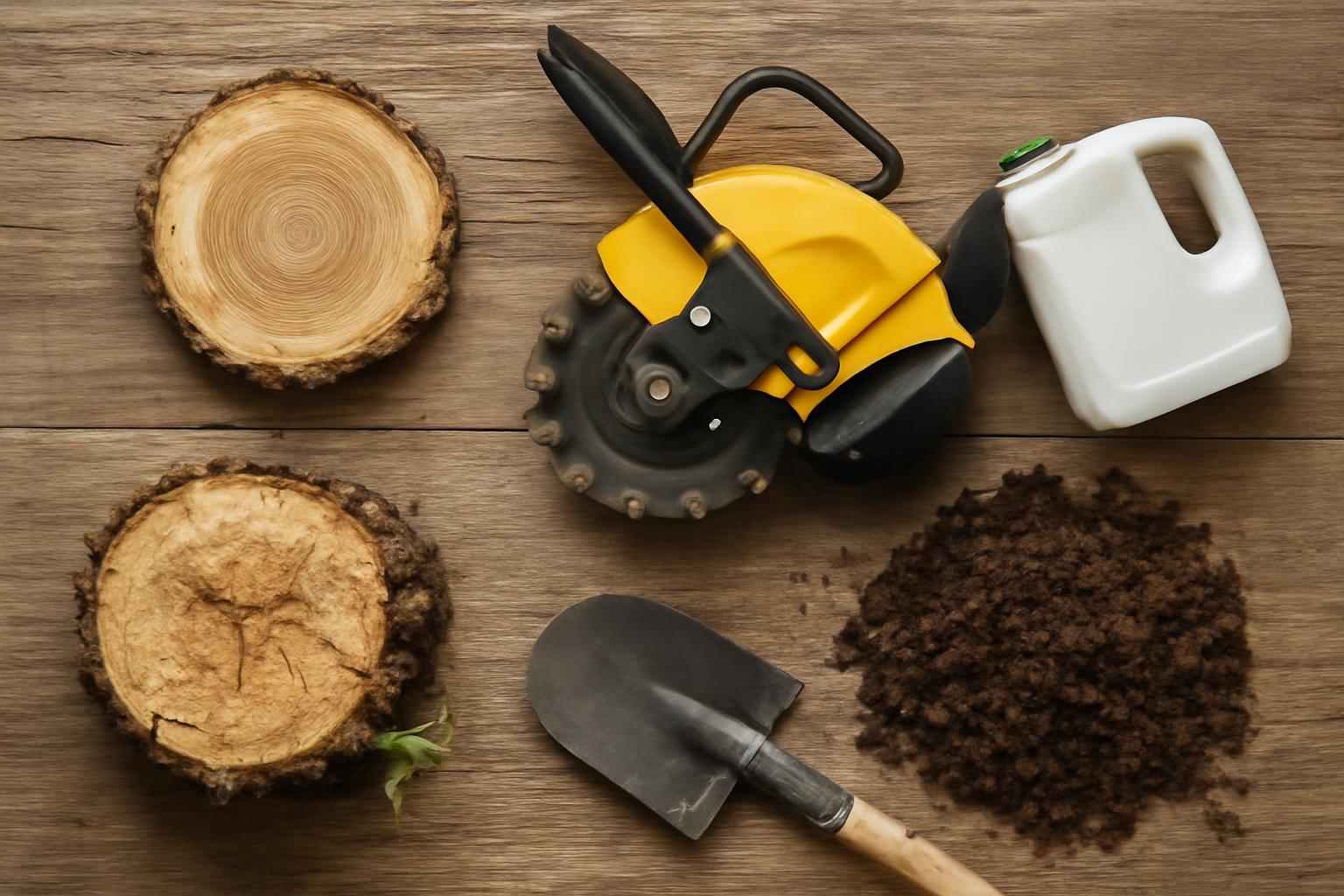
Stump Grinding Costs and What Drives Them
Quotes can vary by 3x or more for the same-diameter stump, with access, wood hardness and how much the contractor wants the job driving the difference.
Read Guide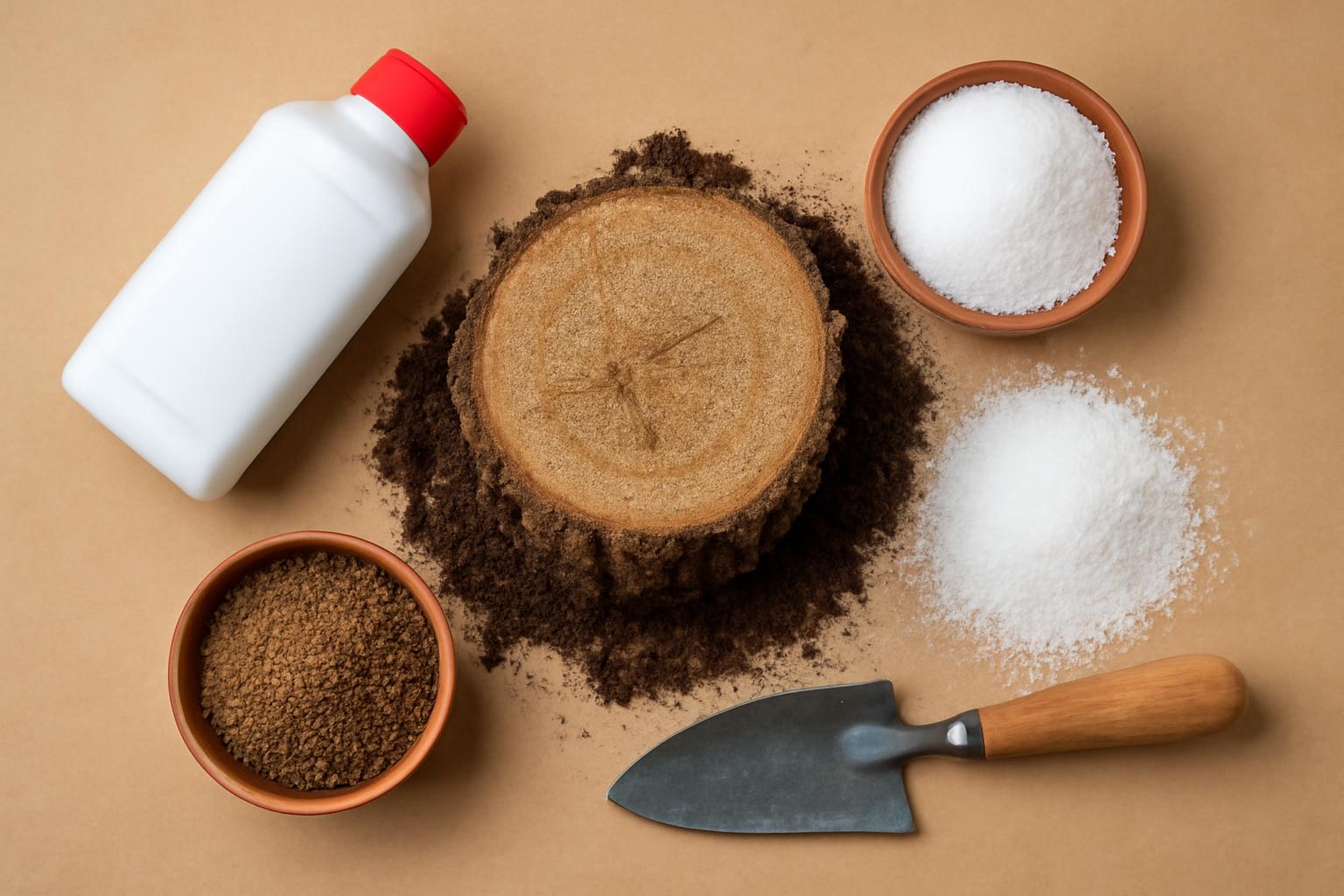
Does Chemical Stump Removal Work? Decay Timeline
Full decomposition takes 6-18 months, when you can break the stump apart with an axe or mattock. Diameter, species and climate set the pace.
Read Guide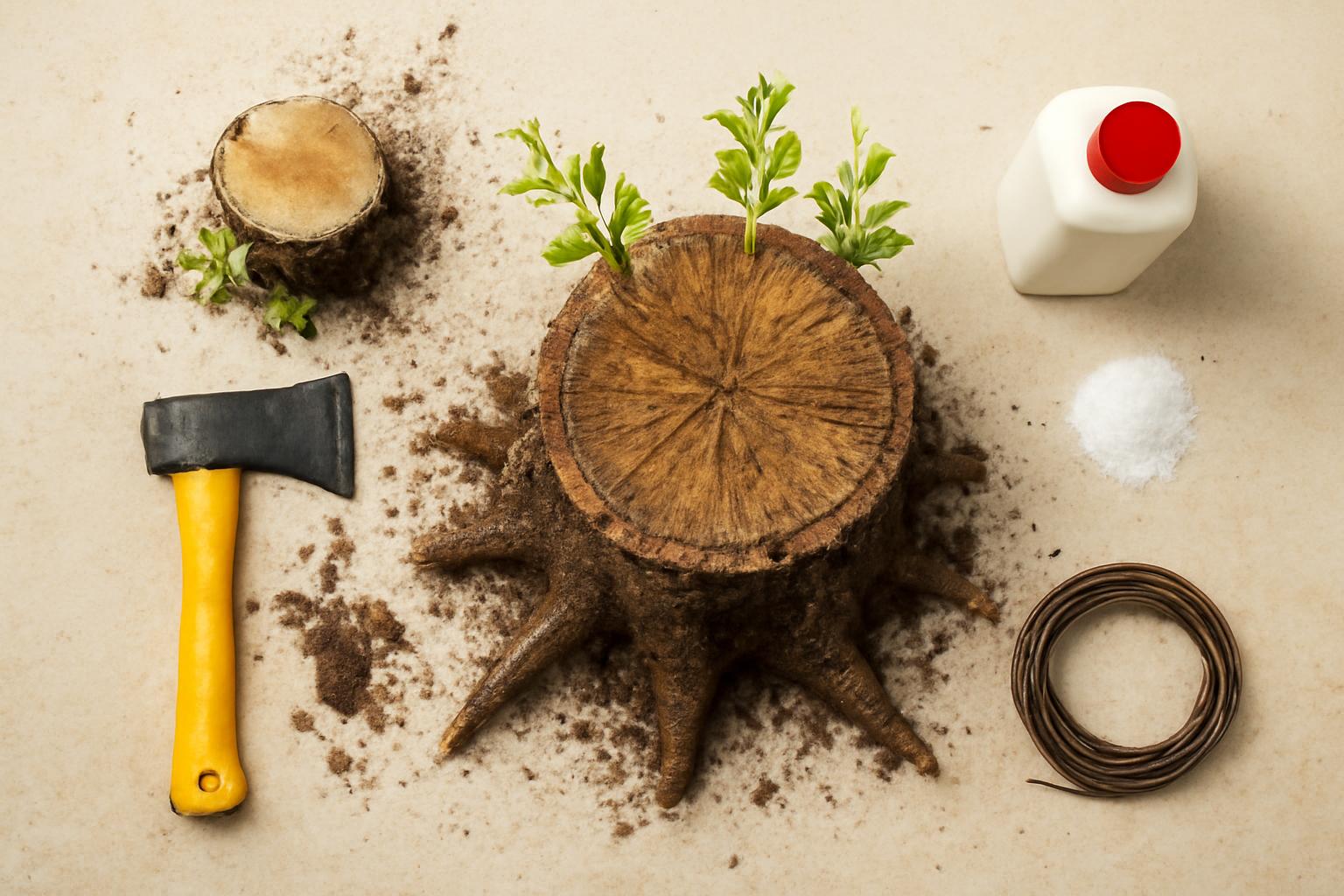
How Do You Prevent Tree Stump Regrowth?
Some tree species resprout from roots or stumps. Cut-stump treatment timing depends on species, weather, season and the product label; follow-up may be needed.
Read Guide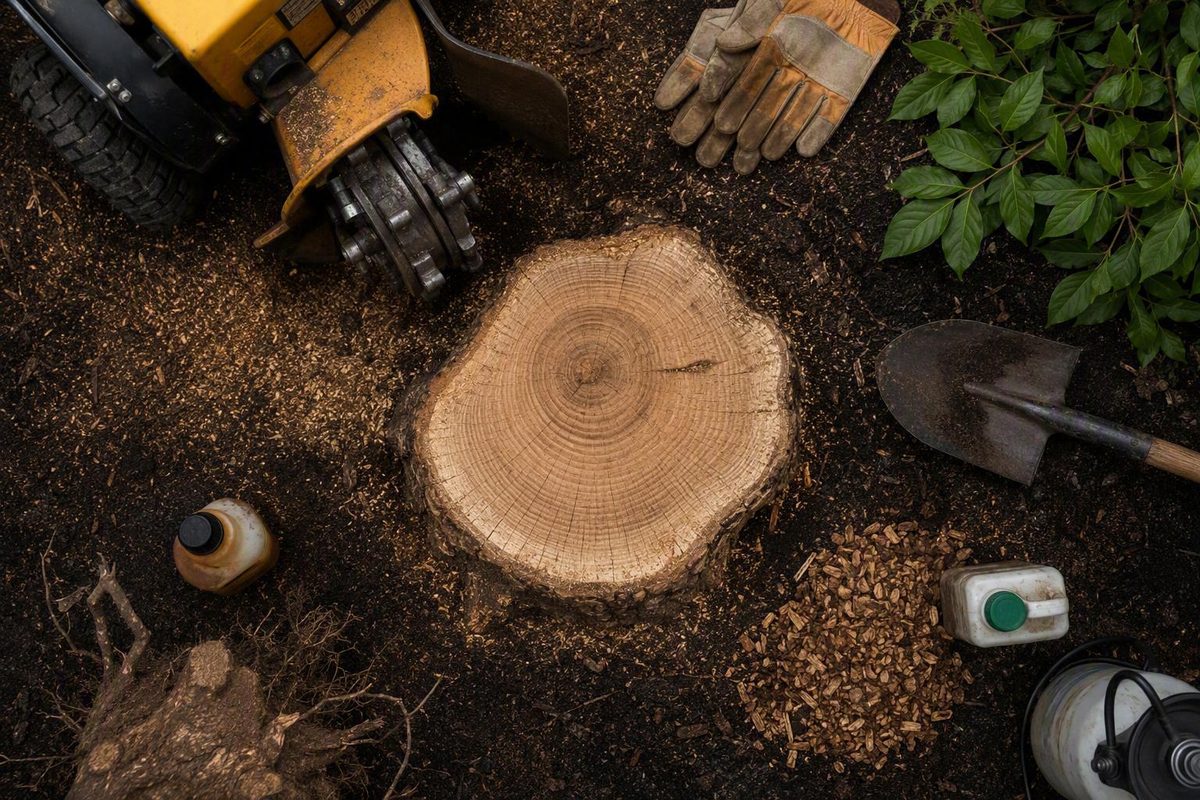
Stump Grinding Cost Calculator by Diameter
Set the stump count and minimum fee for an estimated range; the table and chart show how price scales with stump size.
Read Guide
What Topsoil to Use for Lawn Leveling
Use topsoil when the repair needs depth and sand-heavy mixes when it needs surface refinement, instead of choosing one material for every low spot.
Read Guide
9 Things to Know About 19-19-19 Fertilizer
Choose it only when a soil test or planting situation calls for nitrogen, phosphate and potash in roughly equal amounts, not because the bag looks balanced.
Read Guide
Grind a Tree Stump: Depth, DIY Limits and Cleanup
Choose grinding depth, assess rental versus contractor work, check buried utilities, and plan chip removal and soil repair before grinding a tree stump.
Read Guide
Should You Leave a Stump for Wildlife?
A retained stump can feed and shelter wildlife. Decide by location, decay, regrowth and disease—and learn when a log pile is the better compromise.
Read Guide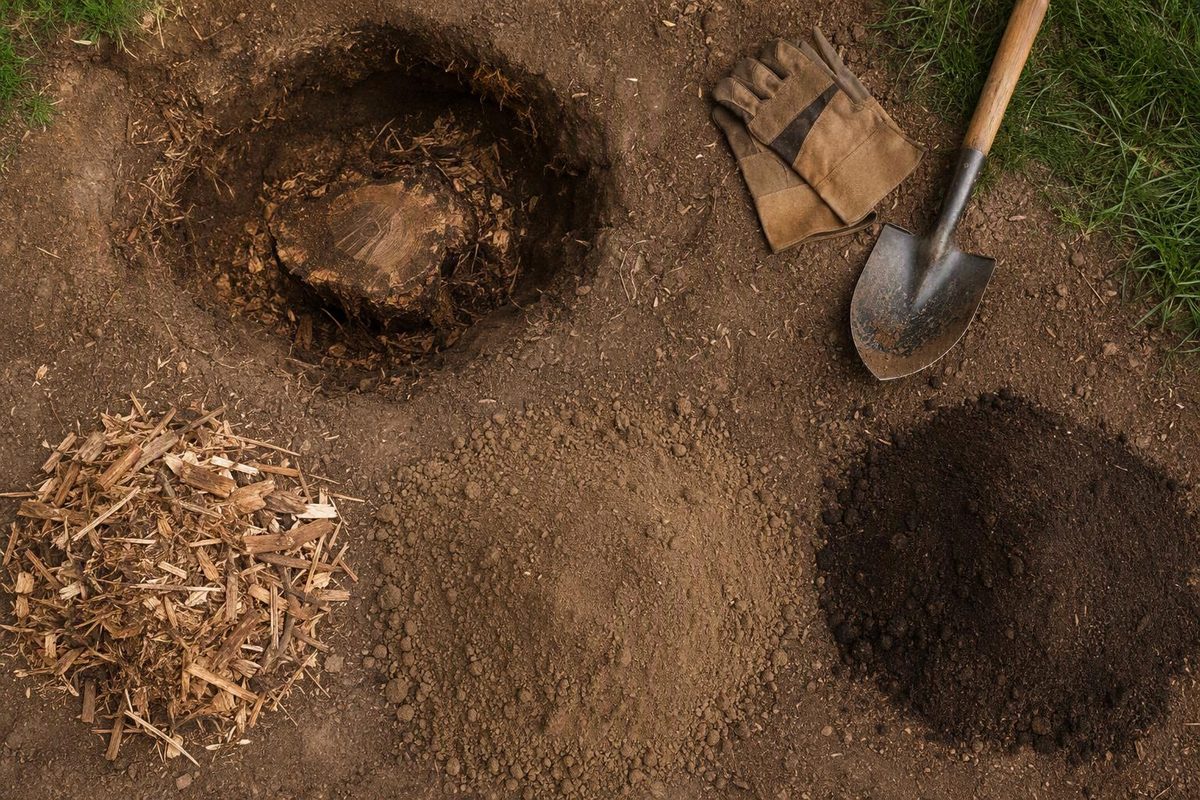
Fill Dirt vs Topsoil: What to Use After Stump Removal
Choose fill dirt or topsoil after stump removal by hole depth, wood debris and the next use. Learn what to order and check in restoration quotes.
Read Guide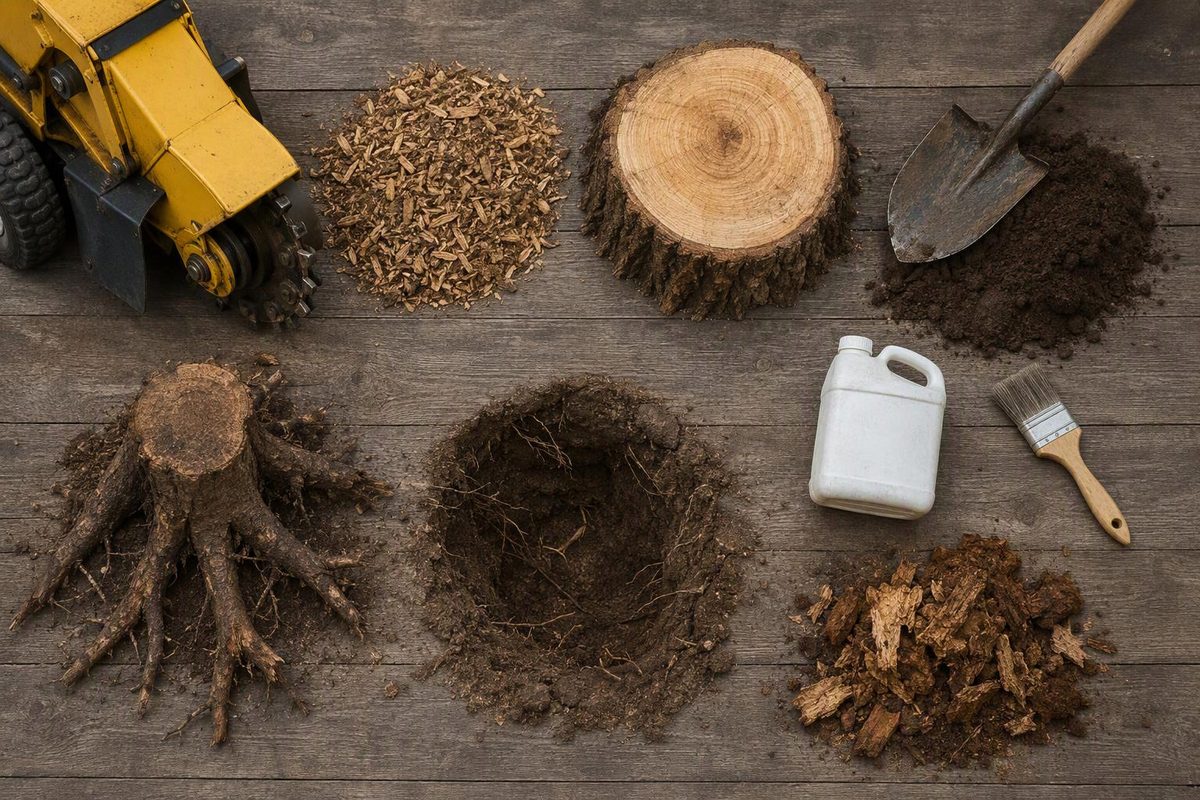
Stump Removal Options: Choose by Roots, Access and Next Use
Compare grinding, digging, excavation, chemical treatment and decay by roots, access, regrowth and the next use of your space.
Read Guide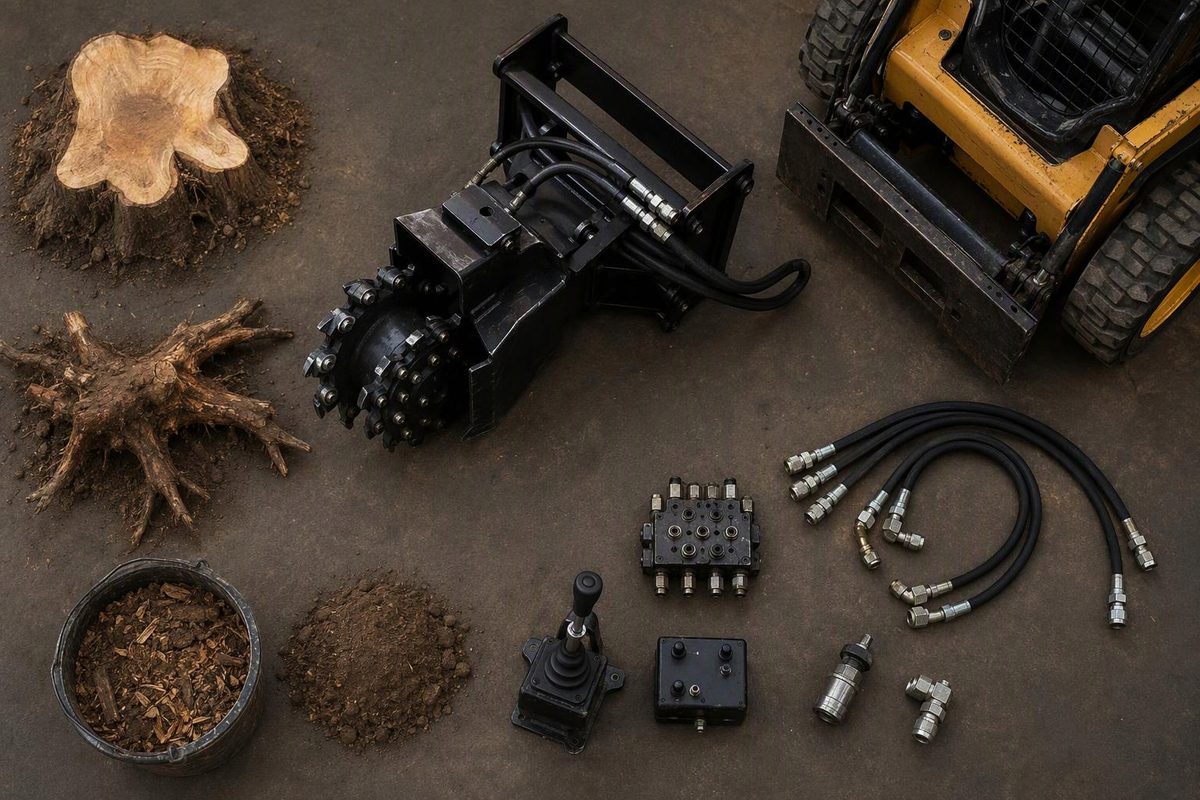
Stump Grinding Attachment for Skid Steer: Check the Match
Check hydraulic flow, pressure, case drain, controls and access before choosing a skid-steer stump grinder. Compare rentals with the full contractor cost.
Read Guide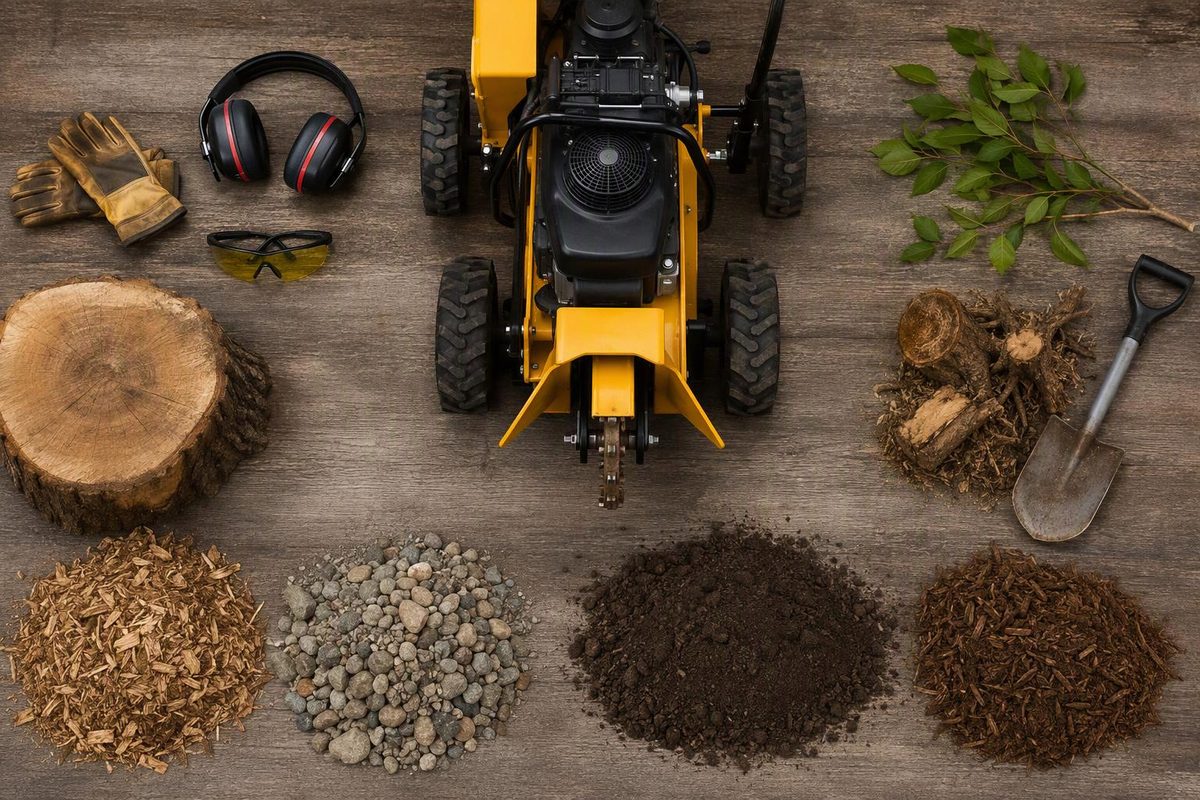
Self-Propelled Stump Grinder: Choose by Access and Controls
Compare powered travel, cutter controls, gate clearance and transport needs before renting a self-propelled stump grinder or hiring a contractor.
Read Guide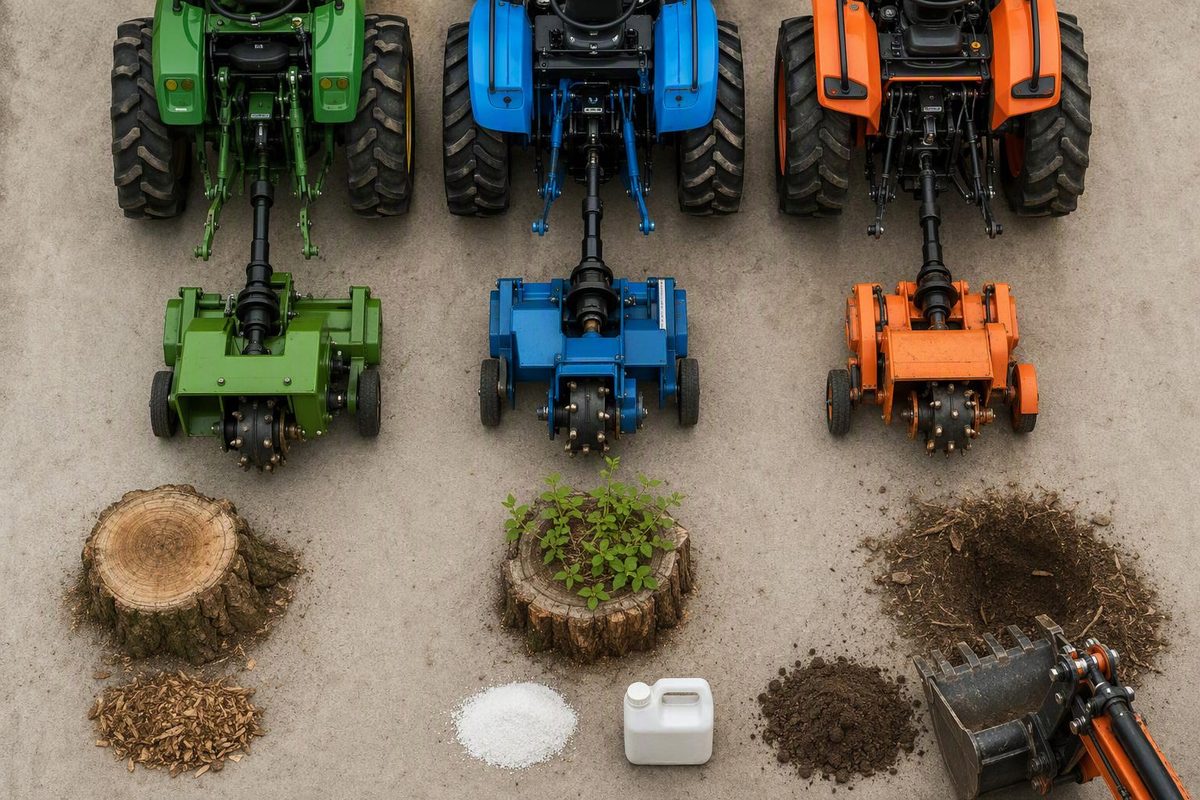
PTO-Powered Stump Grinder: Match It to Your Tractor
Check PTO horsepower, transmission, hydraulics and access before buying a tractor stump grinder. Compare three models and account for setup and cleanup costs.
Read Guide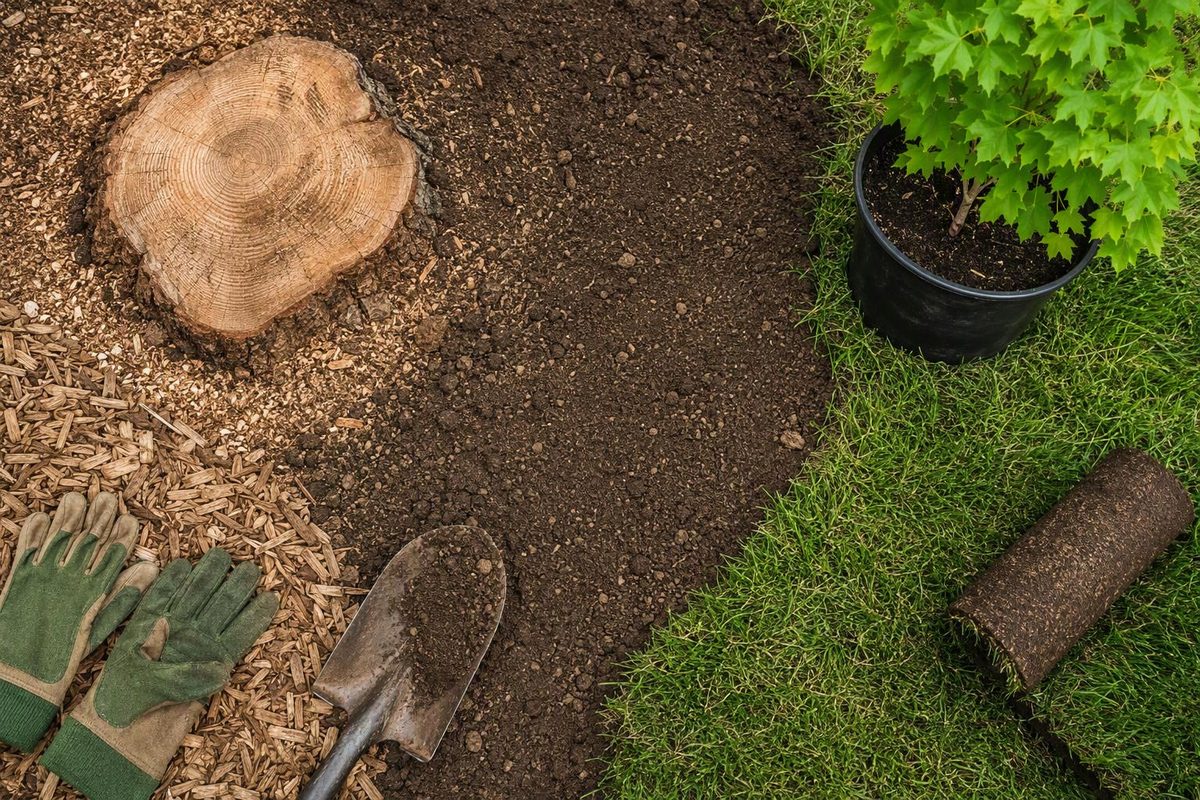
How Soon After Stump Grinding Can You Plant?
Plant grass after removing chips, adding topsoil, and letting fill settle. Move a replacement tree away from the old stump or wait one to two years.
Read Guide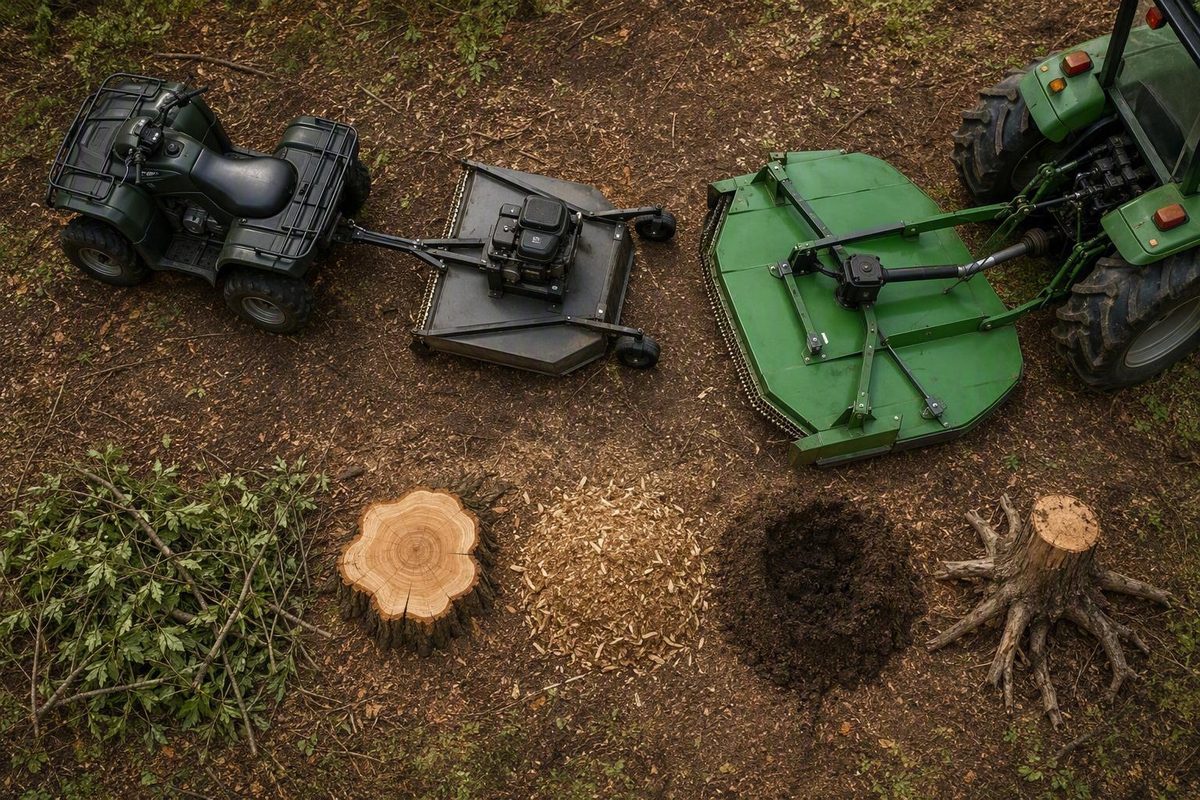
Pull-Behind Bush Hog: Choose the Right Cutter and Tow Vehicle
Choose between self-powered ATV trail cutters and tractor PTO pull-type rotary cutters by brush size, tow rating, terrain, access and stump hazards.
Read Guide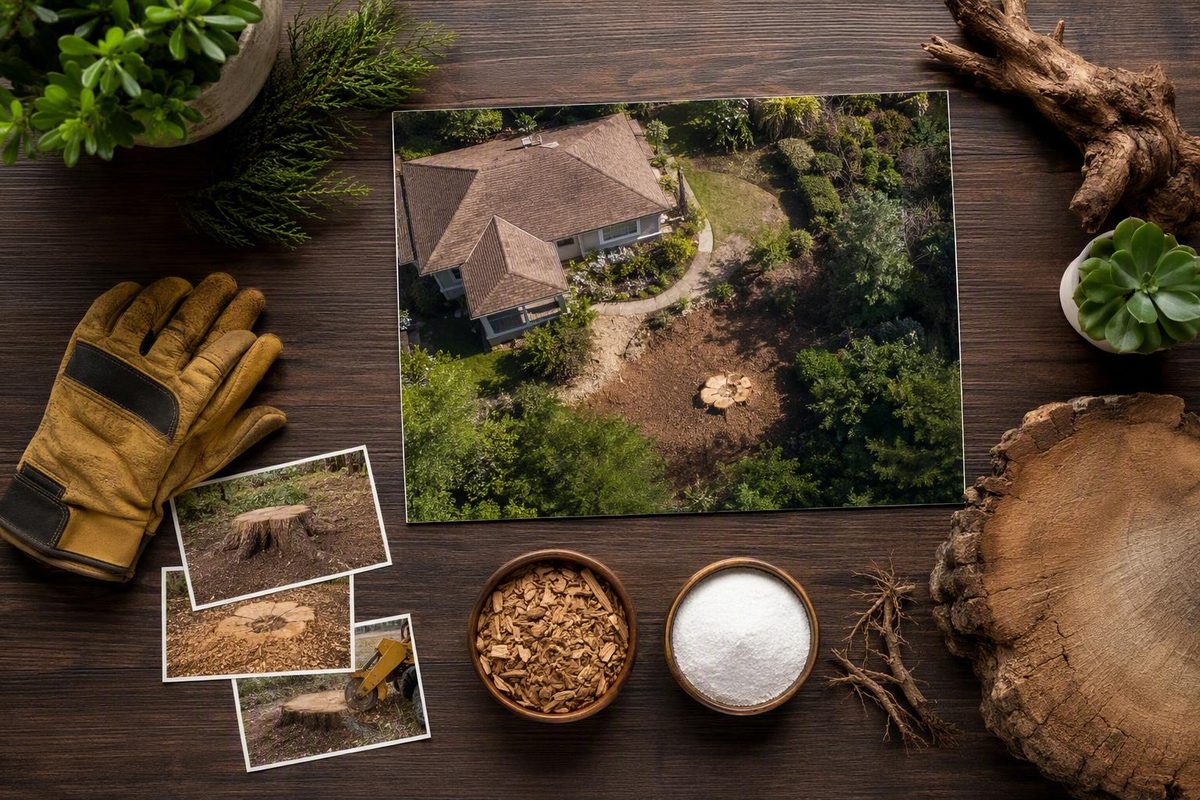
Does Zone 0 Require Stump Removal? What California's Rule Says
California's Zone 0 rule never names stumps, but its dead-wood and debris language reaches most of them. What counts, the phase-in dates, and why grinding wins.
Read Guide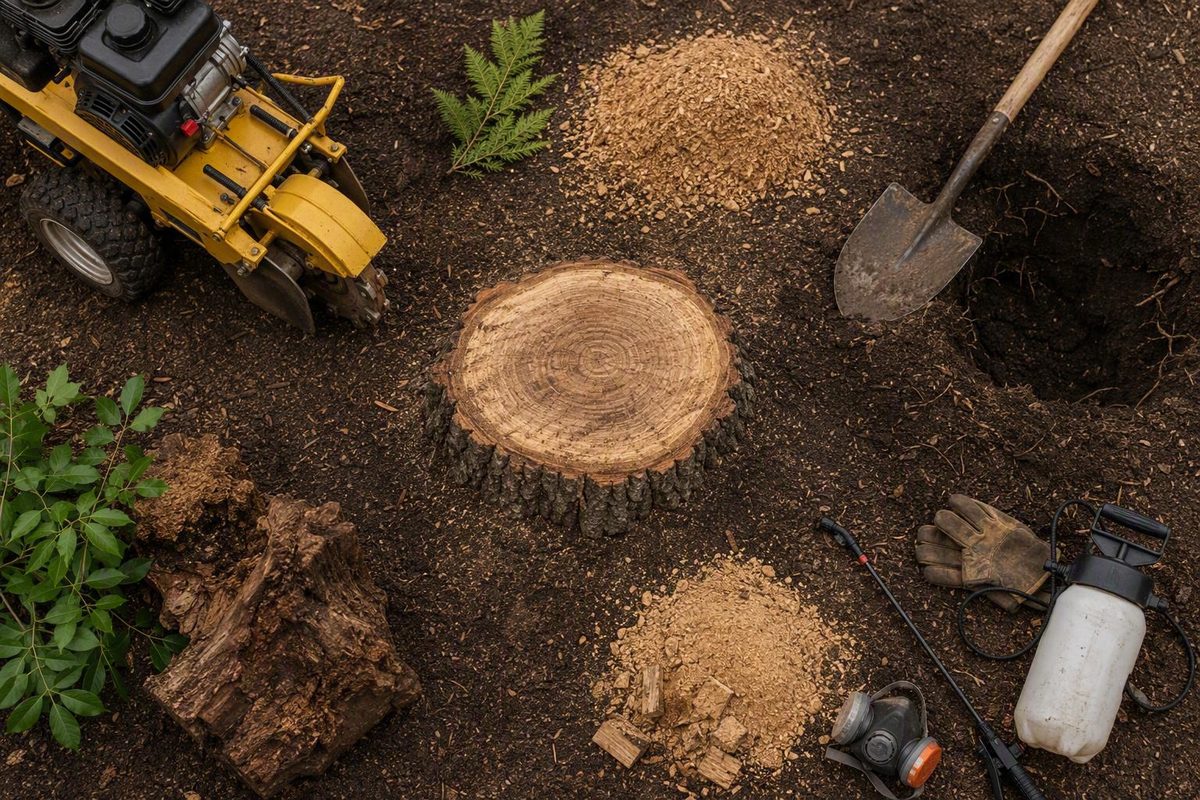
Stump Removal During a Burn Ban: Legal Methods That Still Work
Washington's statewide ban and local orders like Redmond's rule out stump fires. Compare grinding, digging, decay and chemical removal by size and urgency.
Read Guide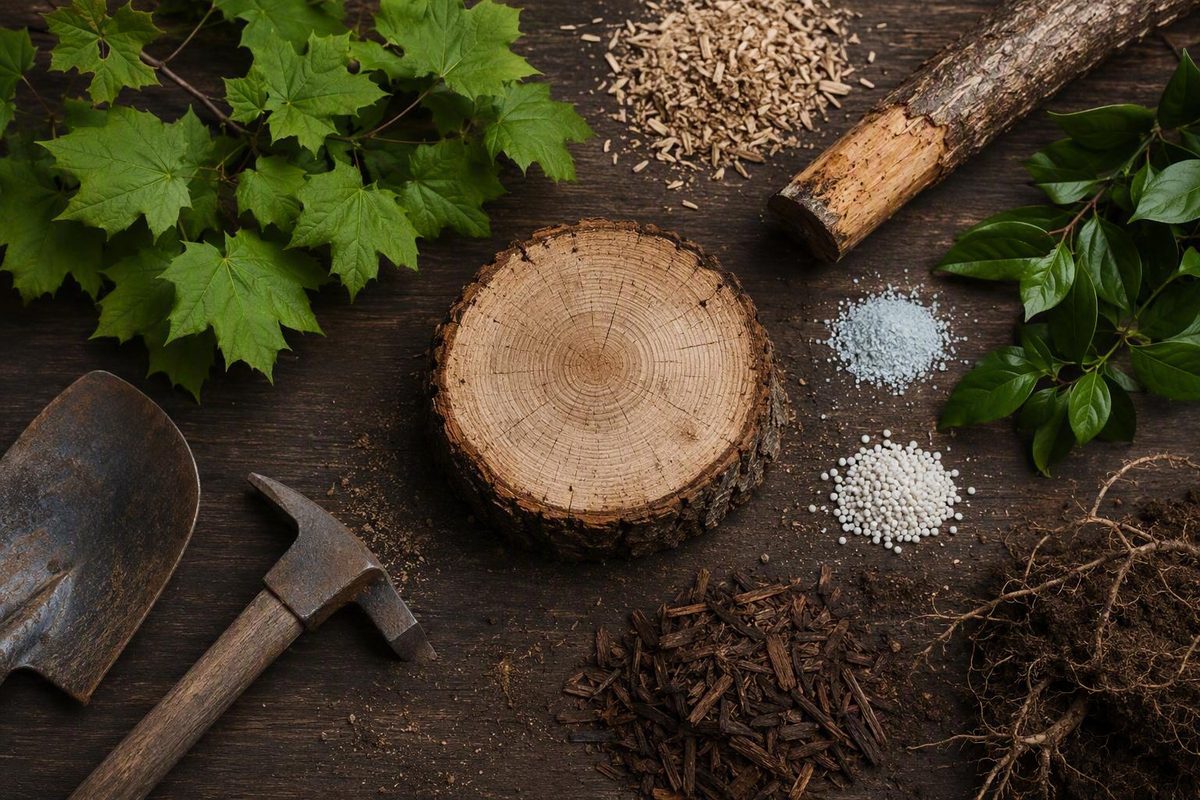
Girdling a Tree: Effects, Recovery & Risks
Green leaves may conceal delayed decline. See what determines recovery, how to stop avoidable pressure, and when an arborist should assess the risk.
Read Guide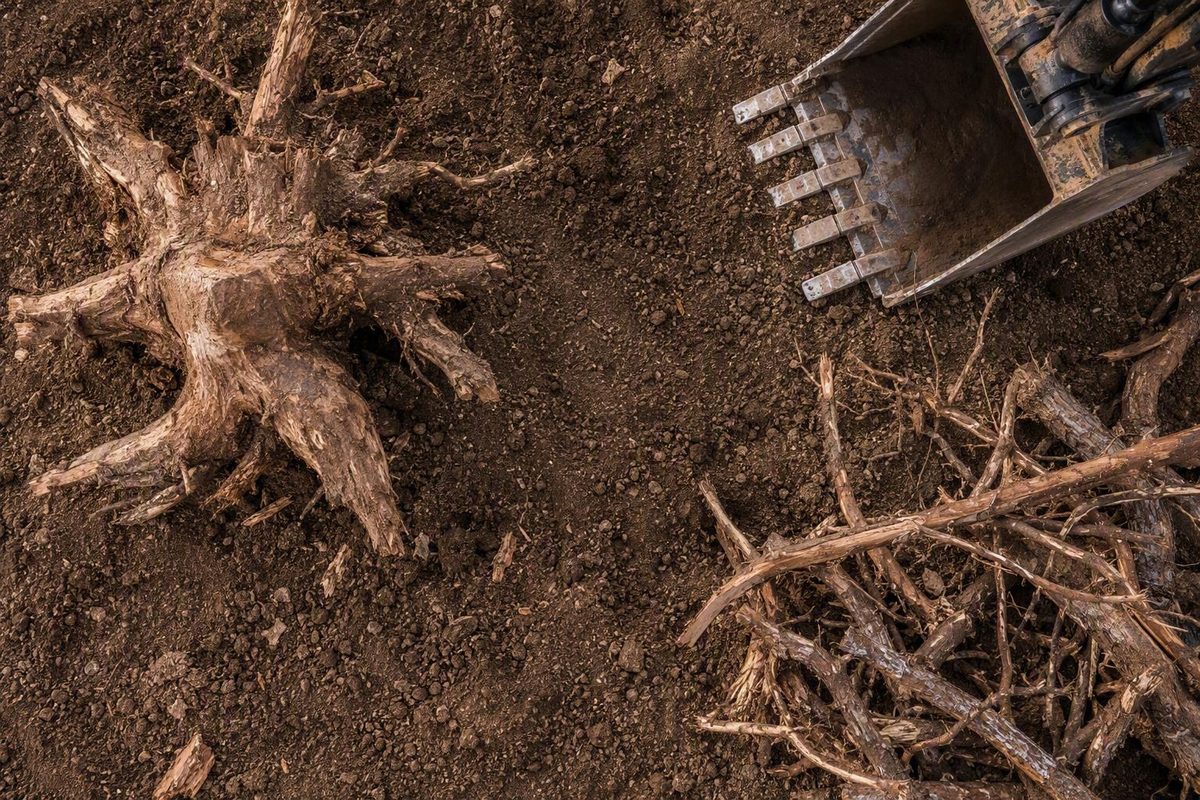
What Is Grubbing in Land Clearing?
Grubbing removes stumps, roots, root mats, and buried wood to prepare soil for grading or construction; depth and boundaries depend on the written scope.
Read Guide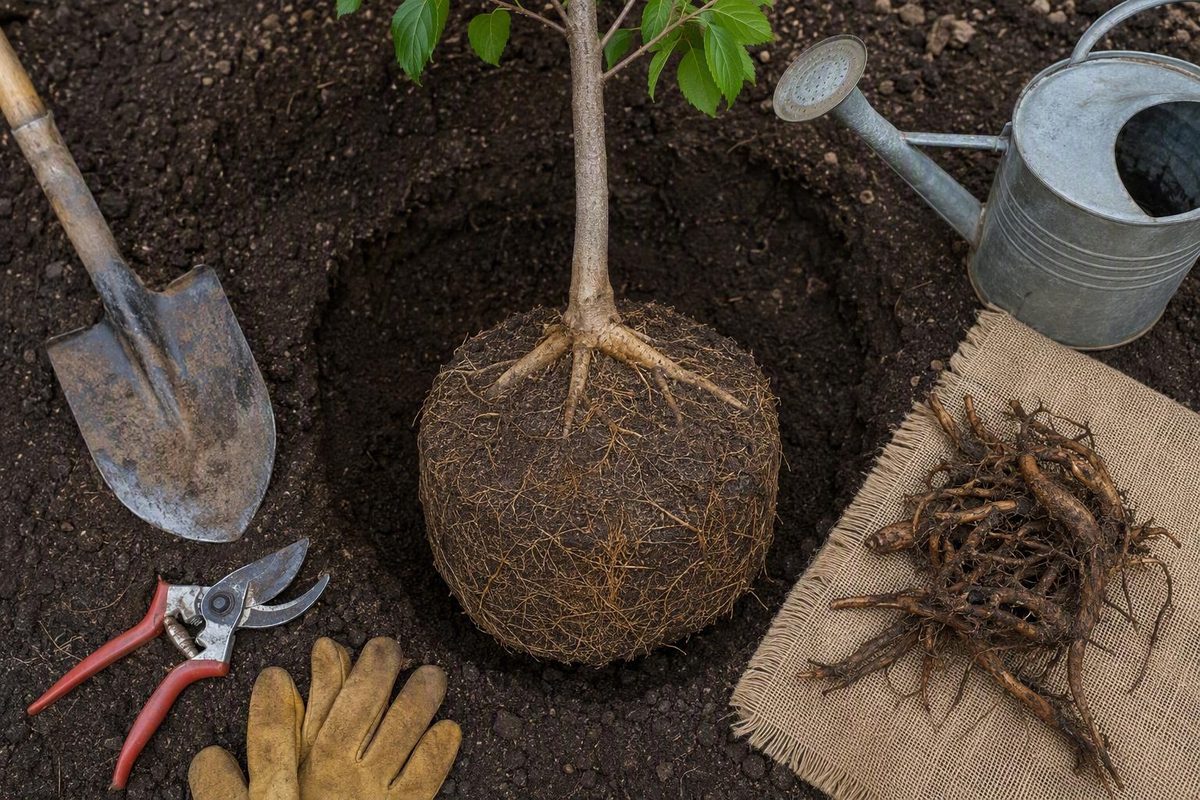
Root Ball: What It Is and How to Plant It
Expose the true root flare, inspect and correct substantial root defects, keep roots moist, and set the ball on firm soil at the appropriate grade.
Read Guide
Walk-Behind Bush Hog: How to Choose, Rent or Buy
Match stem rating to your brush, check full machine width, weight, controls and slope limits, then compare all-in rental and ownership costs.
Read Guide
Tree Root Removal: Which Method to Use Safely
Determine whether to cut, grind or wait for decay, with utility checks, living-tree stop signs and regrowth control for suckering roots.
Read Guide
Girdling Roots: When to Monitor or Cut
Root-flare compression, root size and tree stability determine whether to monitor, seek an arborist, cut a small root or consider tree removal.
Read Guide
Cutting Tree Roots Safely: Why No Single Rule Works
A 10-year Douglas-fir study found no significant survival effect, but greater root damage was associated with reduced estimated maximum growth.
Read Guide
Is It Cheaper to Treat or Remove an Ash Tree?
Compare recurring ash injections with removal, stump grinding, and replacement costs—and see when tree condition makes removal the only sound choice.
Read Guide
Amish Trick to Remove a Tree Stump: Claim Check
A claim-by-claim test of the viral saltpeter stump method, with realistic decay times, burn hazards, grinder tradeoffs, and a decision tool.
Read Guide
Does New Roundup Kill Tree Stumps? Formula Guide
Identify which Roundup formulas can control a fresh-cut stump, which cannot, and when triclopyr, diquat, or glyphosate fits the product label.
Read Guide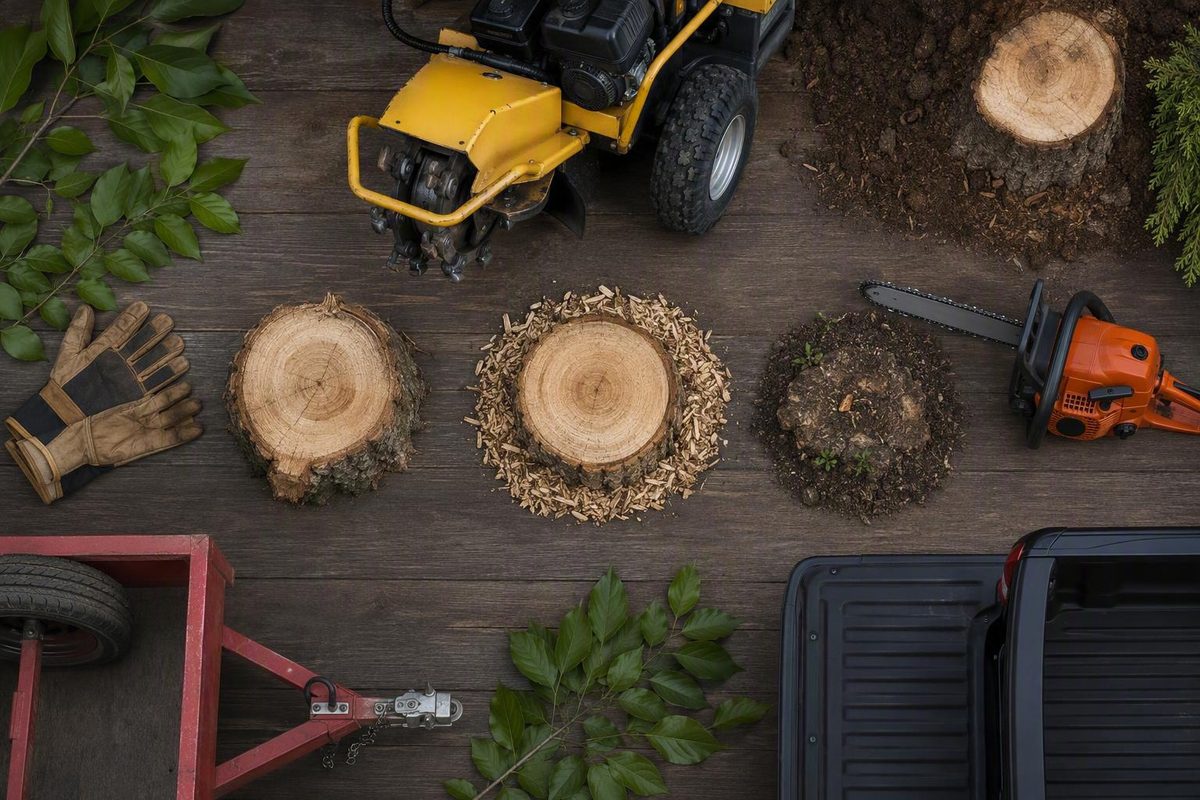
Stump Grinder Rental vs Hiring a Pro: Break-Even Cost
Compare rental, contractor, and grinder purchase costs by stump count, diameter, transport, extra days, cleanup, and professional pricing.
Read Guide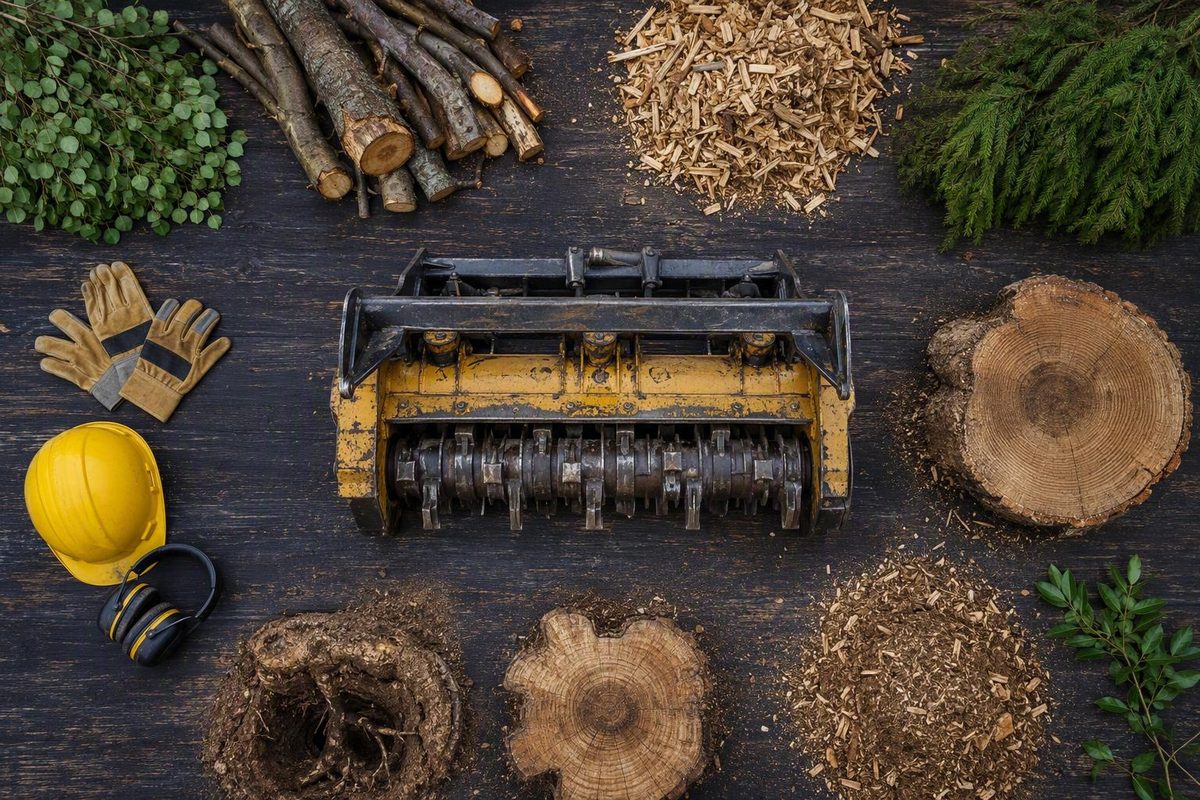
What Is a Masticator? Uses, Types and Limits
It can cut and process vegetation on-site, but suitability comes from matching the treatment goal, carrier, cutting head and worksite, not a diameter claim.
Read Guide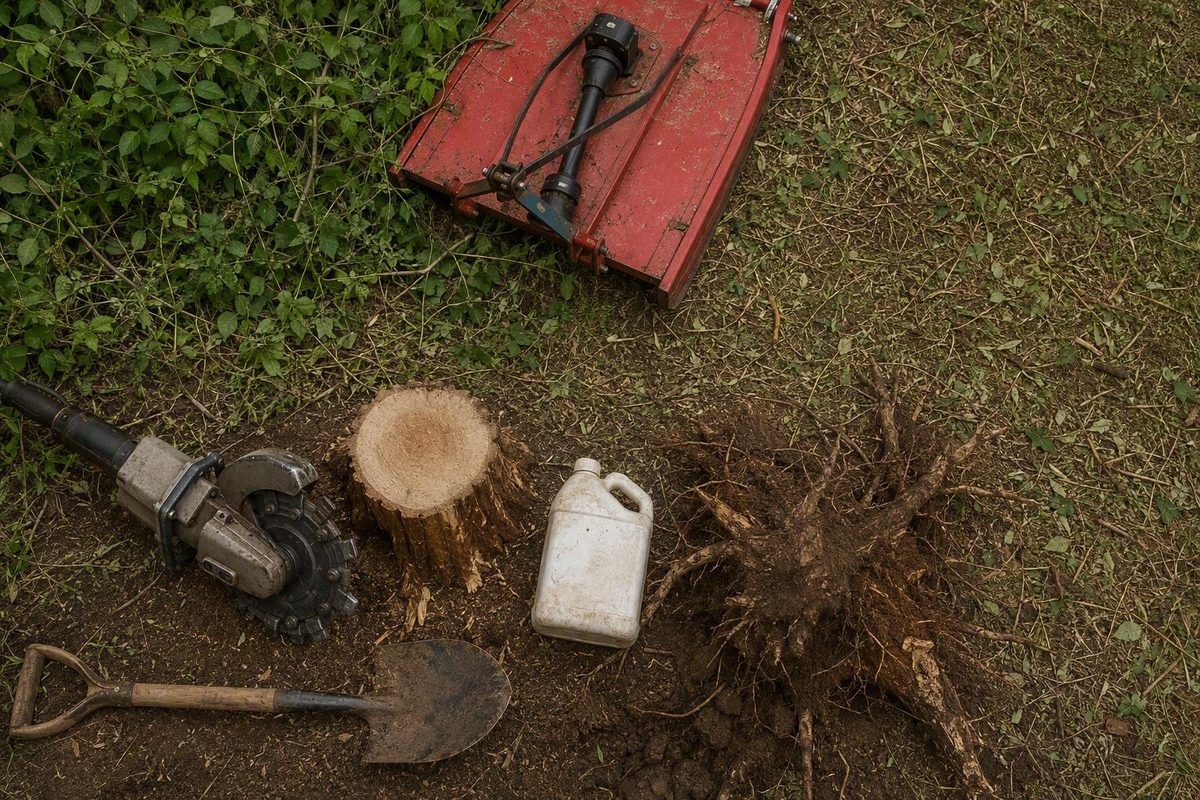
Bush Hogging Cuts Top Growth but Leaves Roots
It fits sufficiently open land when vegetation falls within the exact cutter's rating and a rough surface cut is acceptable.
Read Guide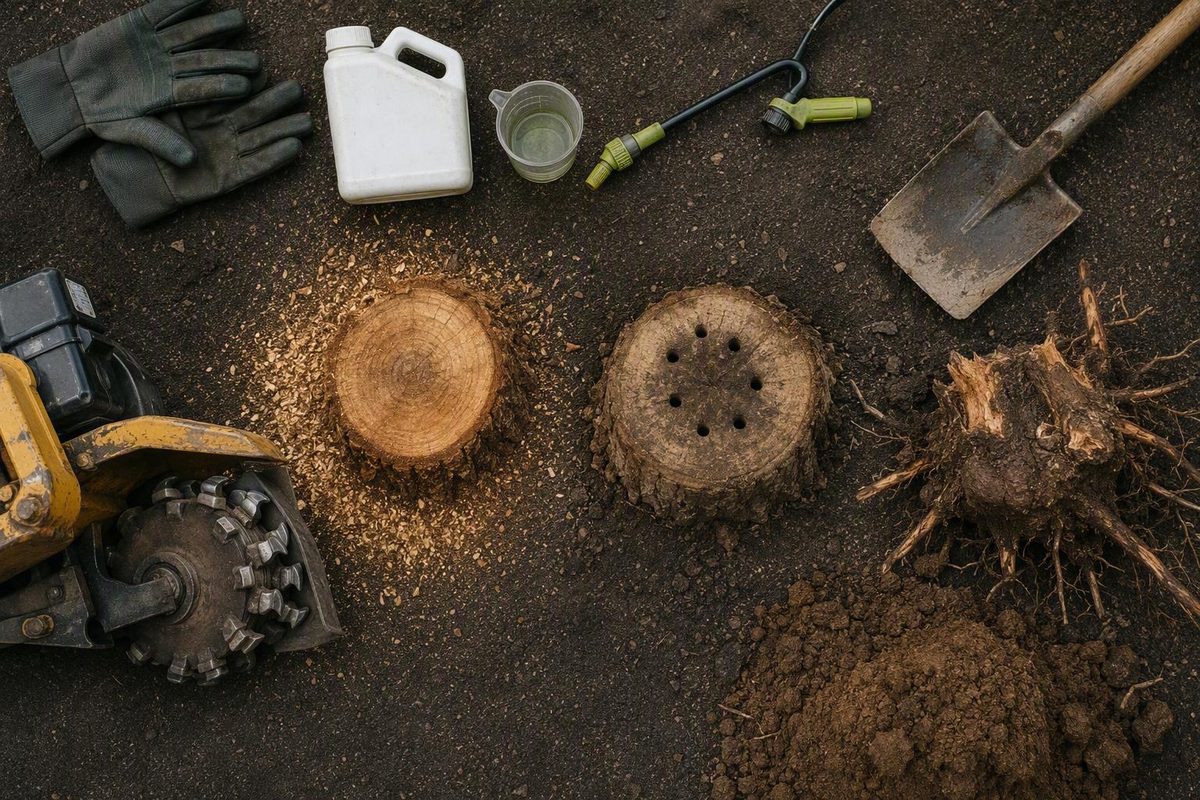
Is "Lescohid" Herbicide Good? No Such Product Exists
There is no herbicide by that name — the word comes from a content-farm domain. If you meant LESCO Three-Way, here is what that product actually does.
Read Guide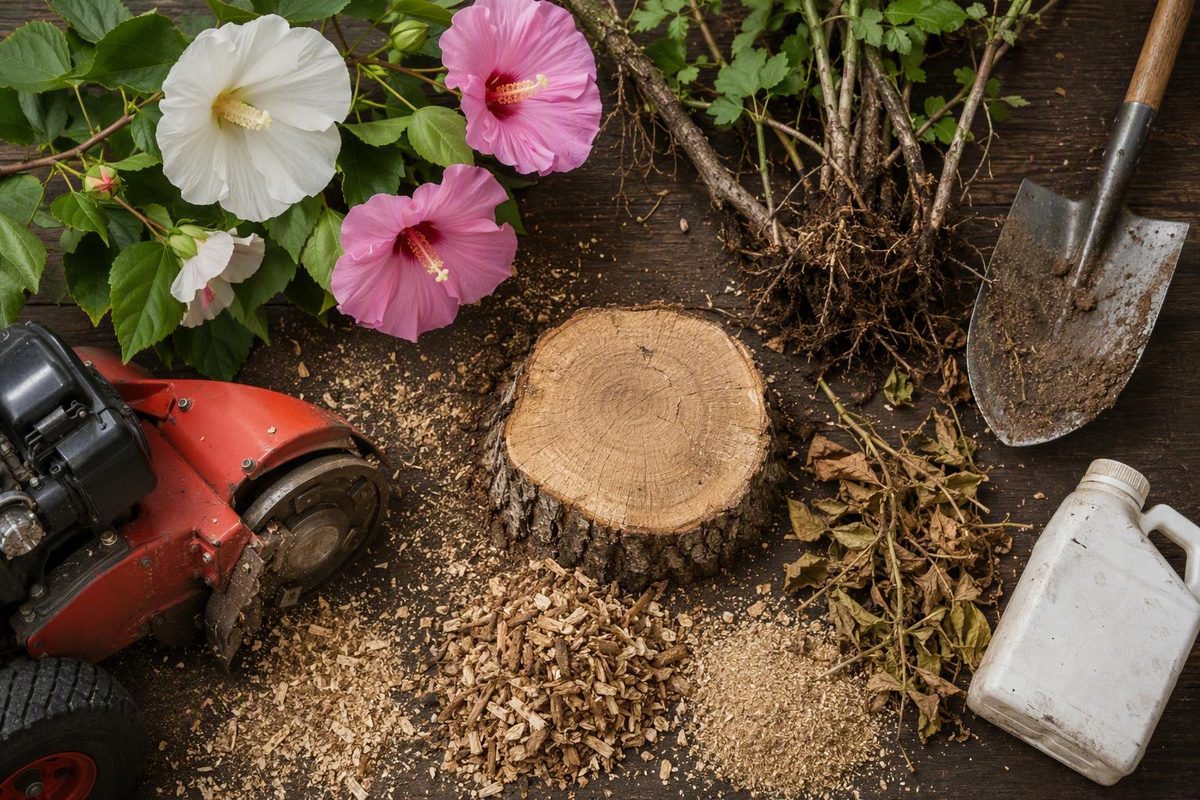
Confederate Rose Tree vs. Shrub: What Winter Changes
A Confederate rose may look tree-like after several mild winters and perennial-like after an unusually severe one.
Read Guide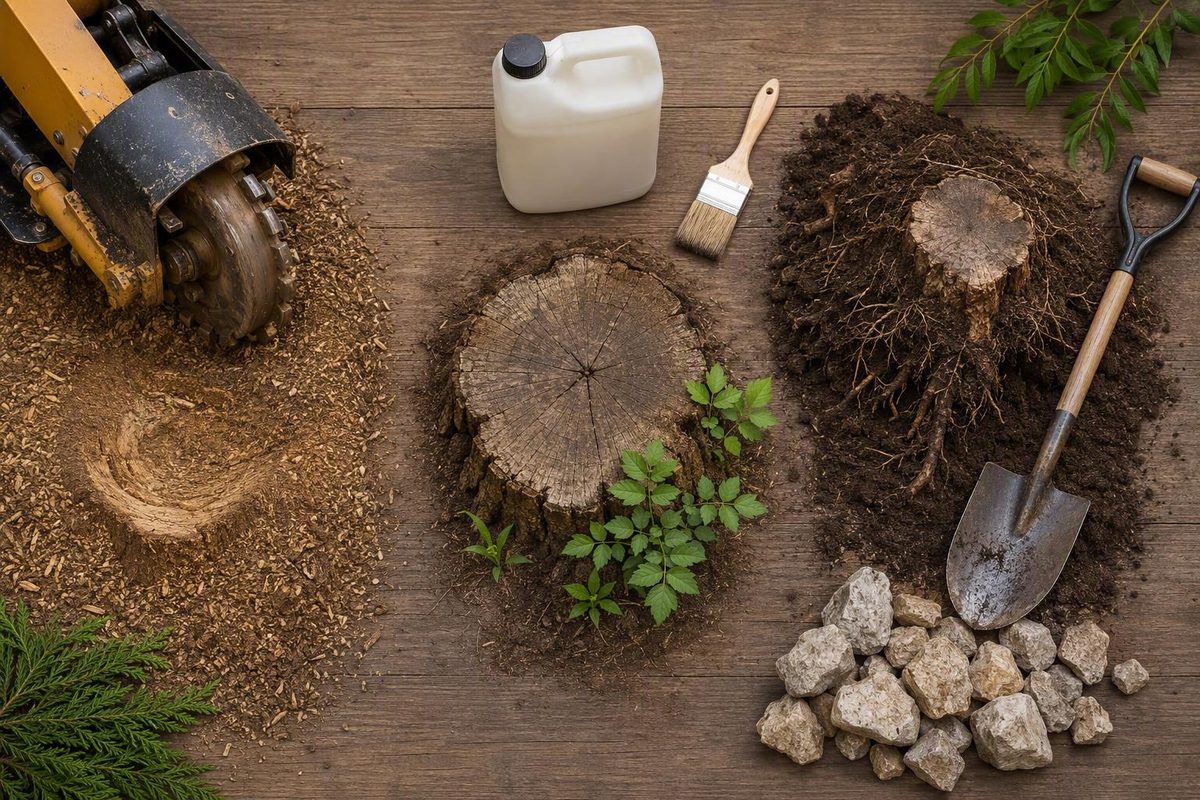
How Much River Rock Do I Need? Area, Depth & Size
For 3-5-inch stone, use the supplier's square-feet-per-ton rate for the exact product and intended installation pattern.
Read Guide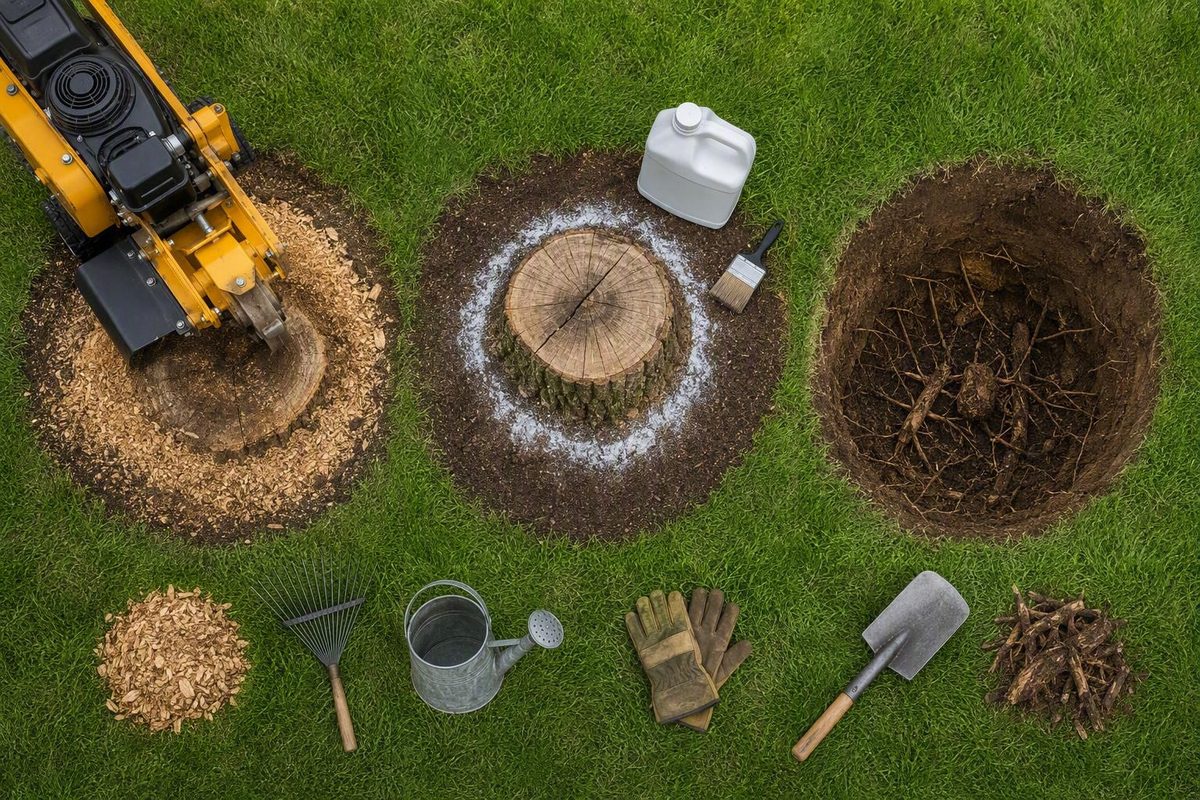
Can a Tree Work in a Lawn? 4 Scenarios
Yes, provided the site has enough light, suitable moisture and drainage, adequate space, and a mowing pattern that does not injure the trunk or roots.
Read Guide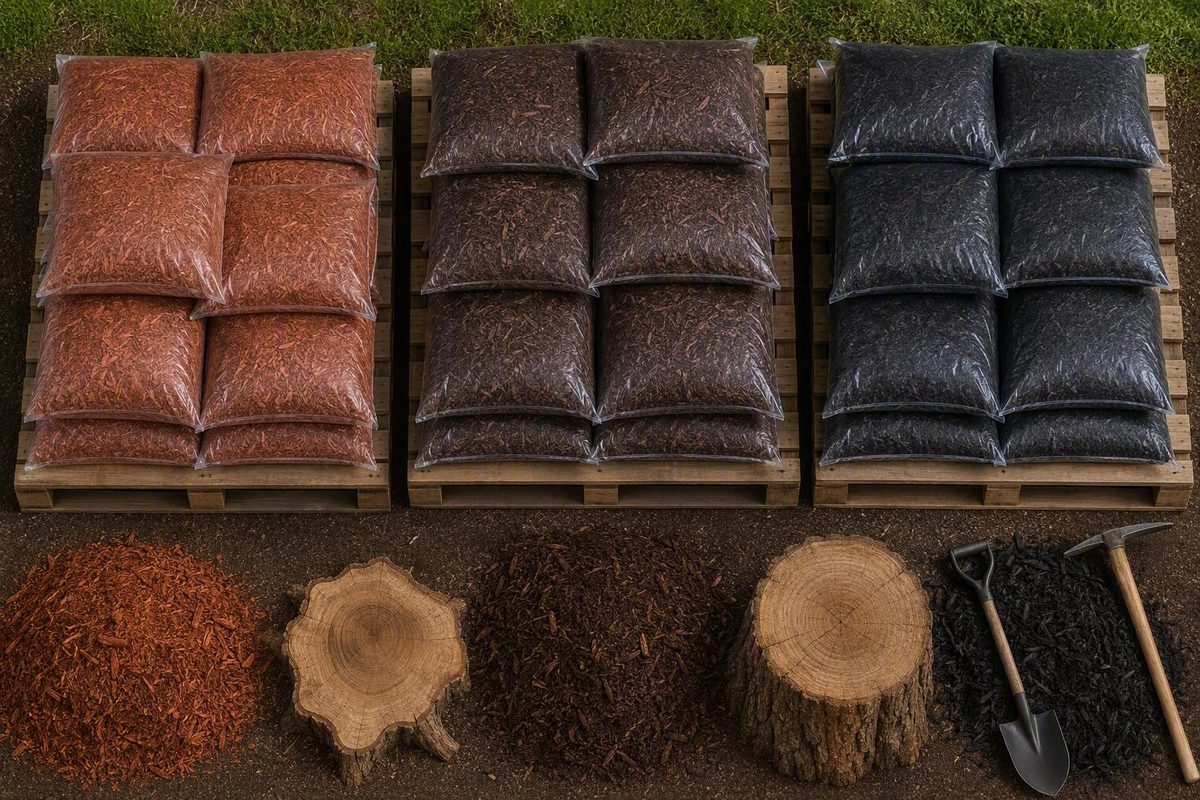
Bags of Mulch per Pallet: Product-Specific Counts
Earthgro's 80-bag pallet holds 120 cubic feet, while Vigoro's 70-bag pallet holds 140. Check both bag count and cubic feet per bag before ordering.
Read Guide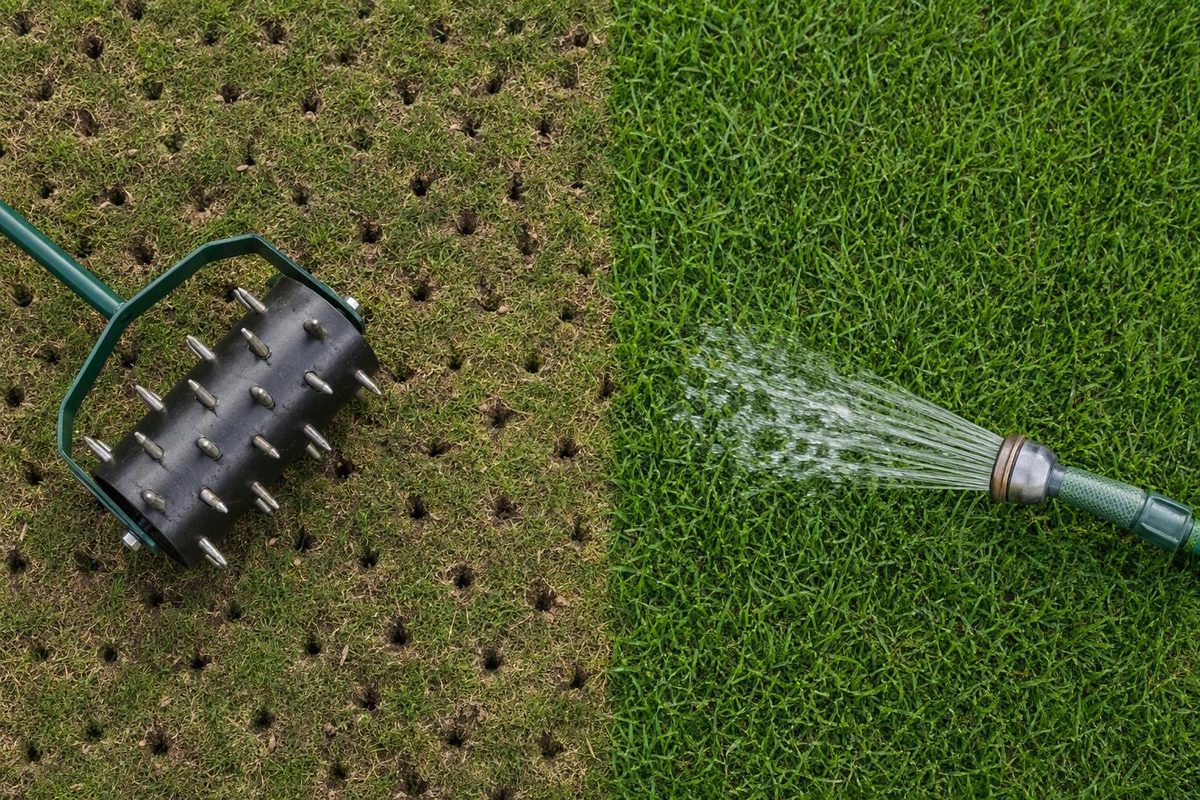
Liquid Aeration vs Core Aeration: Which Problem Each Fits
When water consistently gathers at the bottom of a slope, beside a foundation or over a known drainage route, neither treatment should come first.
Read Guide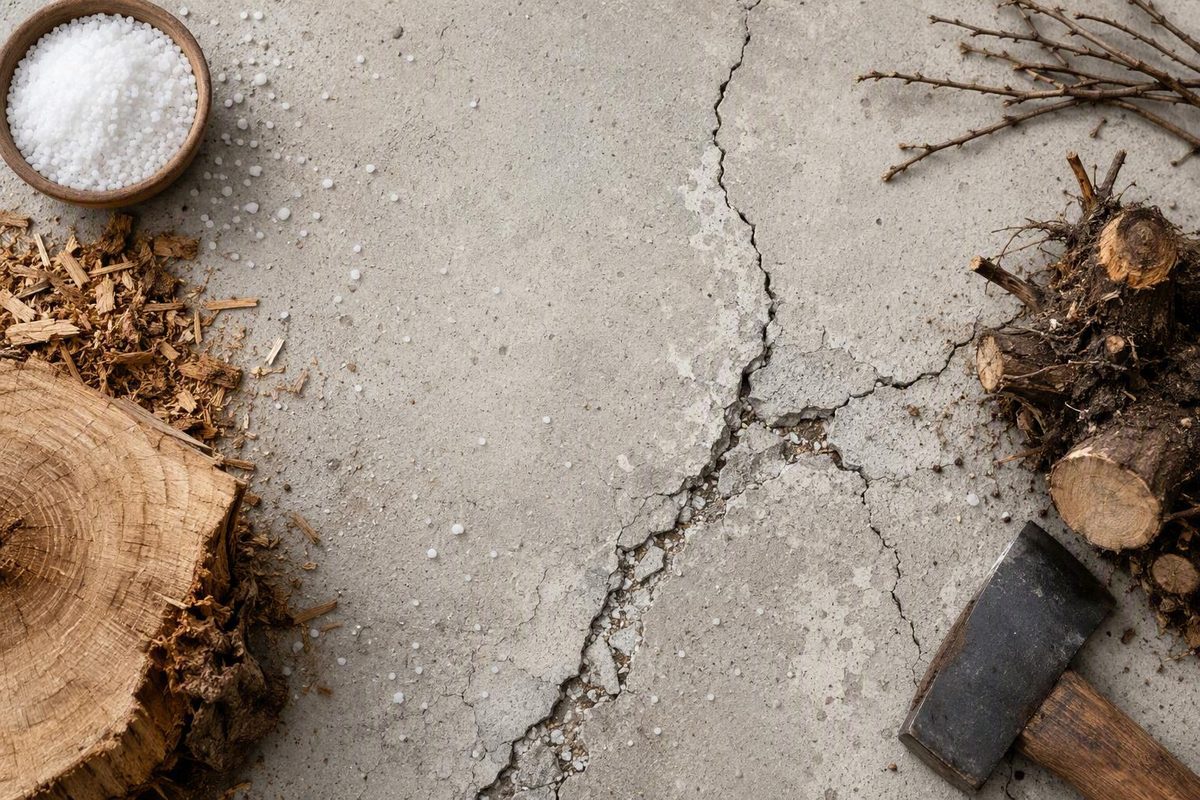
Salt Can Damage Concrete: What Raises the Risk
Risk is higher when concrete is porous, cracked, newly placed, poorly drained, already scaling, or repeatedly saturated and frozen.
Read Guide
Need Stump Removal in Honolulu? Compare 28 Listings
Compare 28 public place records by area, ratings, reviews and published hours. Follow each source to verify stump removal before requesting quotes.
Read Guide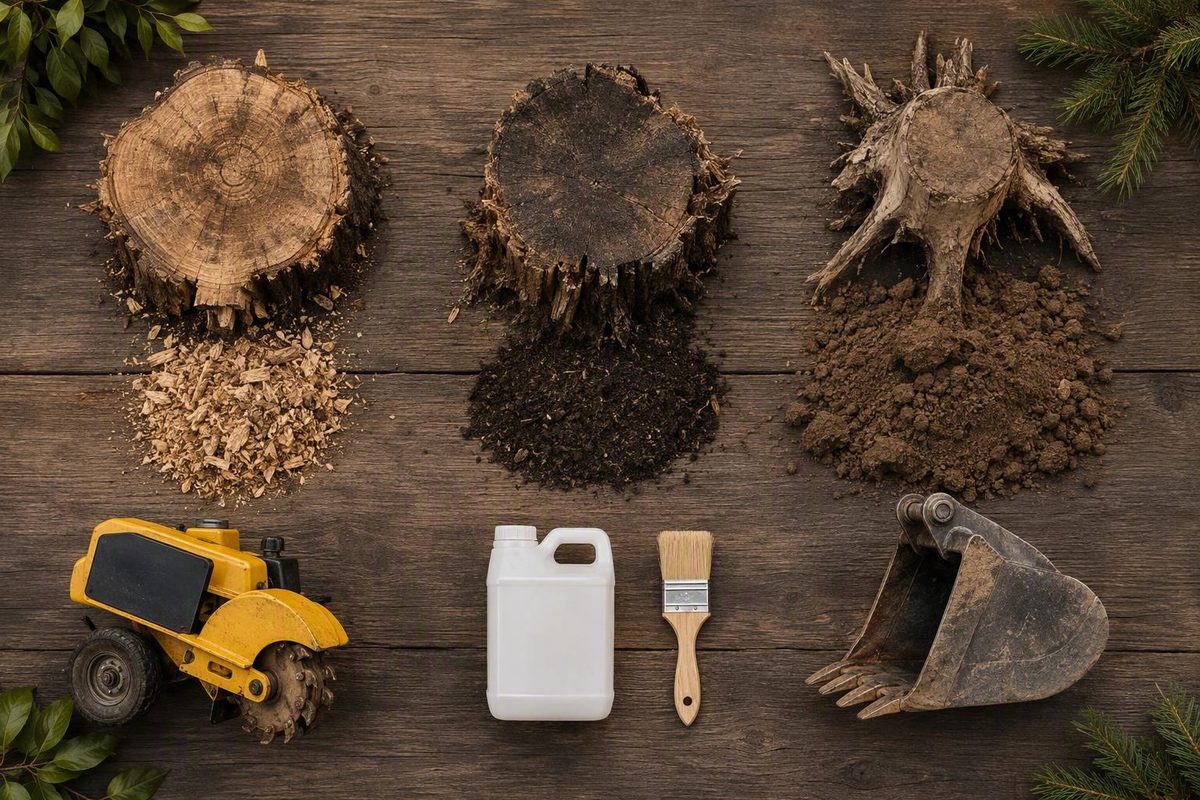
Cost to Clear an Acre of Land by Scope and Condition
Allow about $1,500–$6,000 for basic-to-moderate professional clearing. Vegetation, access, stump treatment, debris handling and finish move the total.
Read Guide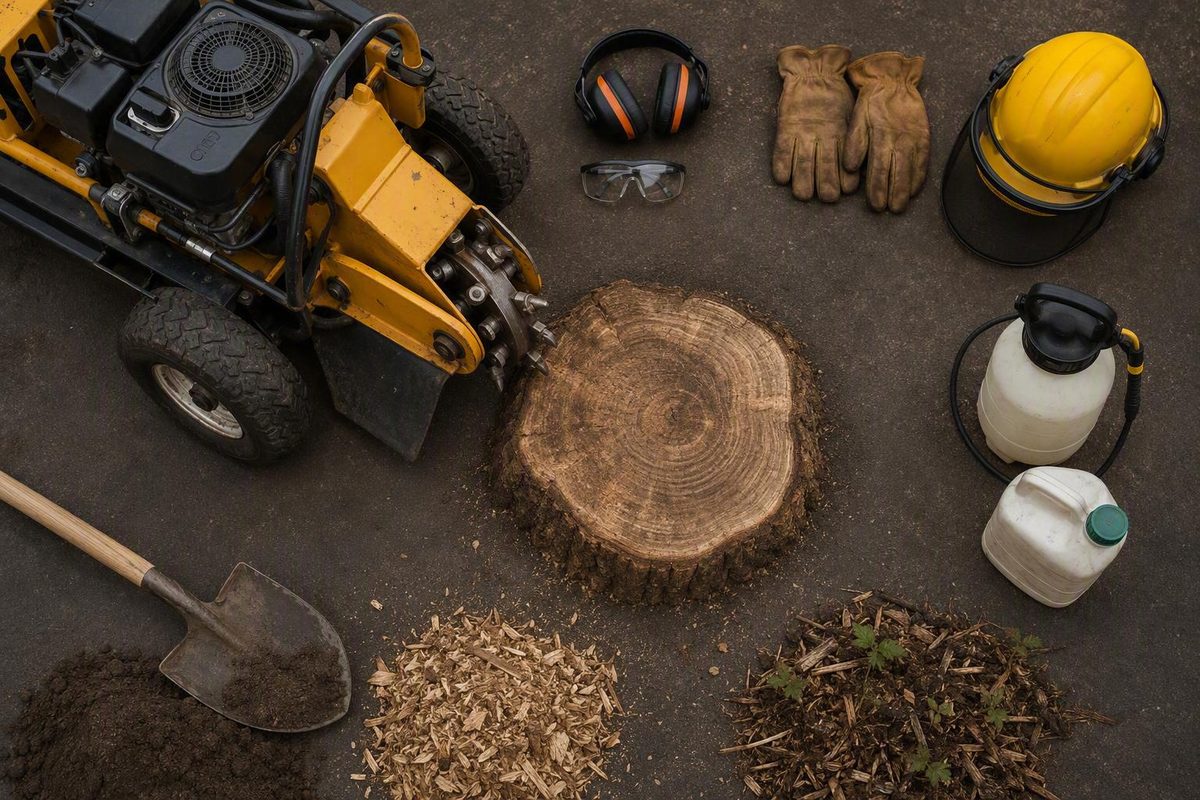
Which Remote Stump Grinder Is Right for Your Job?
Access, terrain, depth and control scope determine the fit. Bandit documents tethered backup for the 2550's optional radio remote and radio-controlled 2900.
Read Guide
A Frost Blanket for Trees Requires the Right Fit
Protection also depends on soil warmth, fabric, wind, moisture, event duration, tree condition and whether the enclosure closes at ground level.
Read Guide
Tall and Narrow Evergreen Trees, but Widths Vary
Blue Arrow and Skyrocket Rocky Mountain junipers are the best-documented tall candidates here. The shortlist changes with width, climate, light and drainage.
Read Guide
Best Topsoil for Grass by Lawn Project and Depth
Screened loam is a reasonable first option for general lawn work. Choose by lawn project and application depth, not the product label.
Read Guide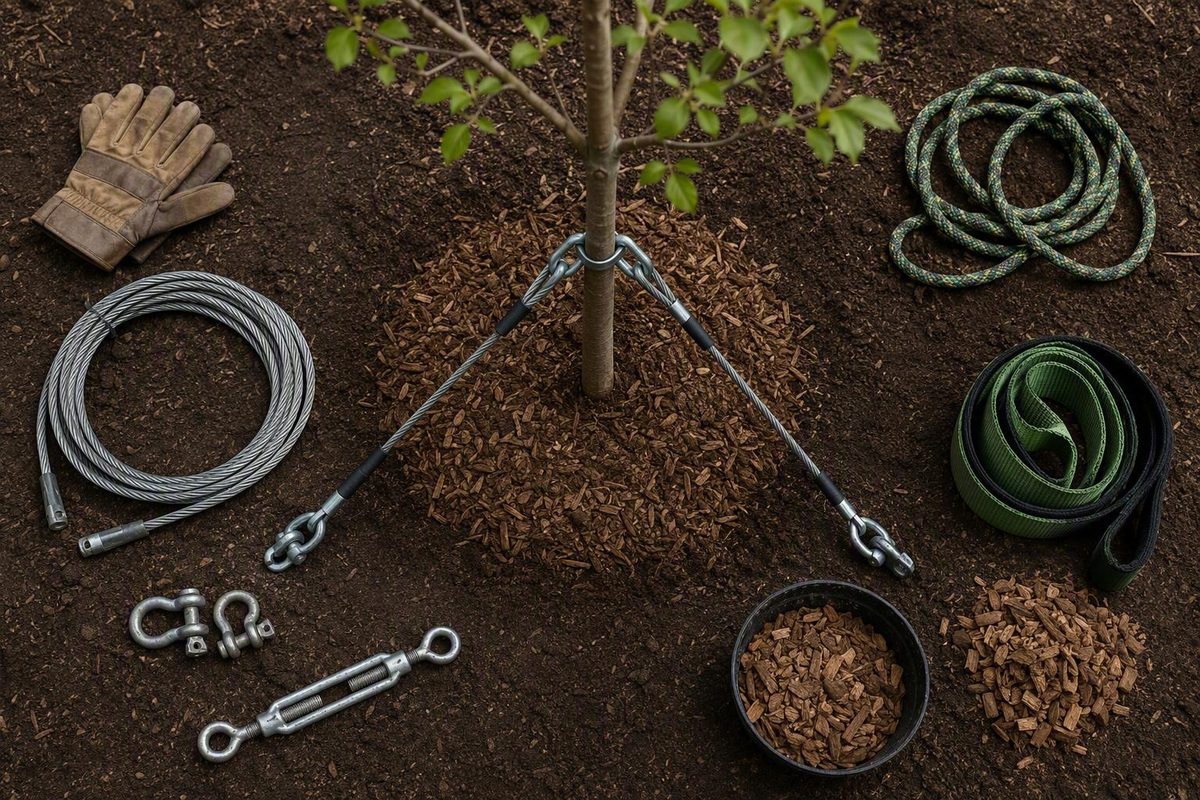
Tree Guying Choices Vary by Tree and Site
The right response may be no support, one or two stakes, three-way guying, concealed root-ball anchoring or an on-site professional assessment.
Read Guide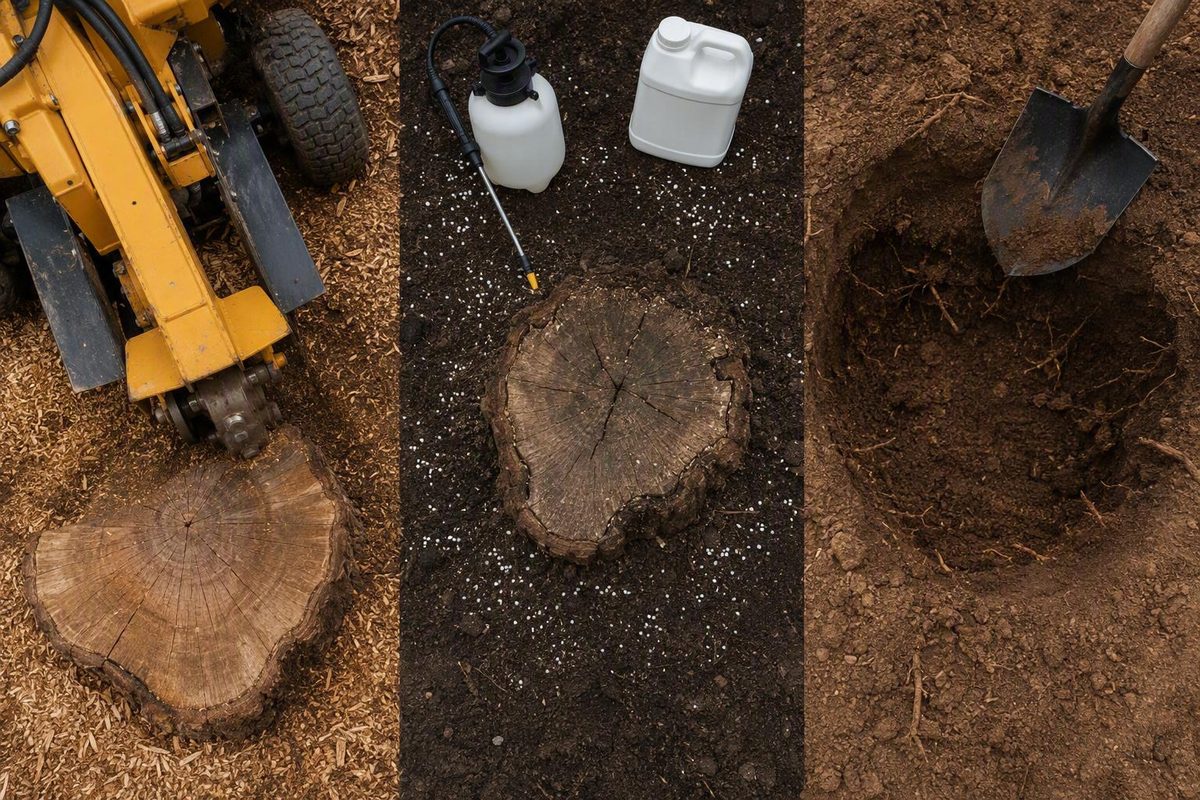
Pallet of Sod Cost and What Changes It
Sod typically costs $110–$450 per pallet. Advertised prices are generally material only, so compare coverage, grass type, delivery and fees.
Read Guide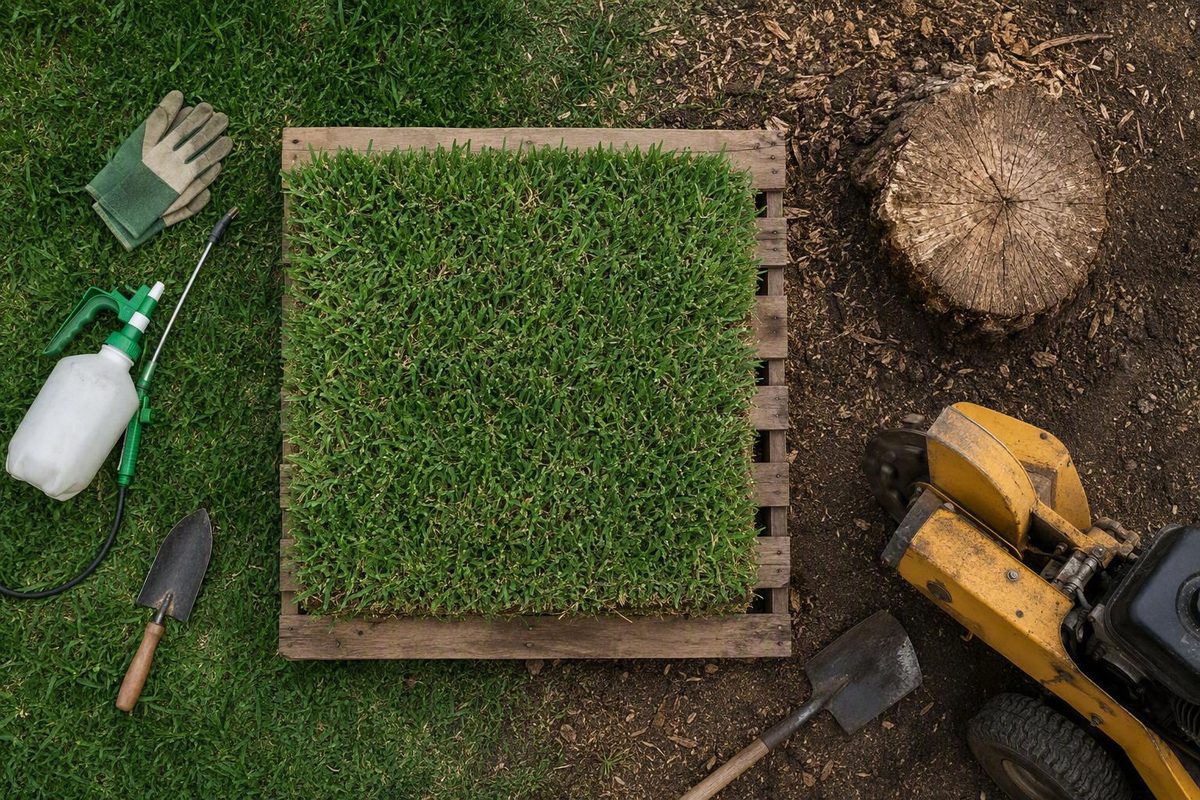
St. Augustine Grass Pallet Cost and What Changes It
Reviewed listings range from about $220 to $610 per pallet, but cited local Texas and Florida prices sit closer to $220–$305. It is not a national average.
Read Guide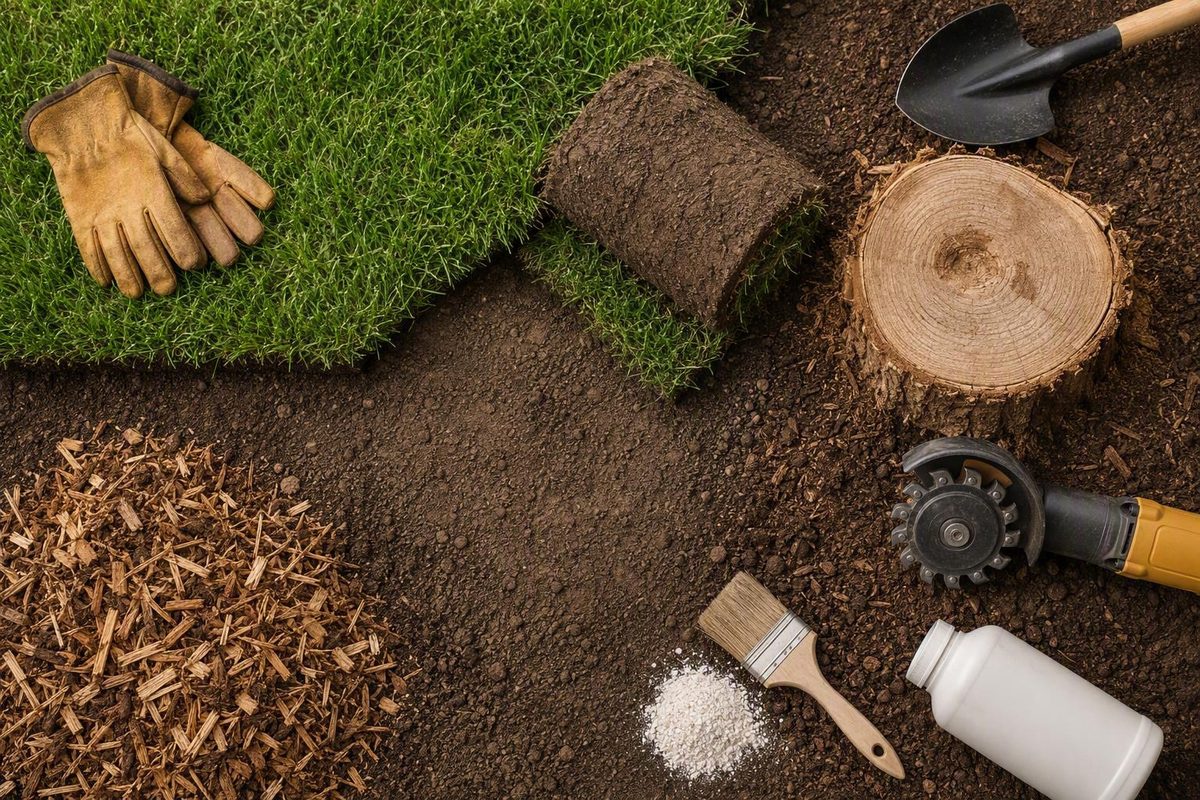
How Long Does Sod Take to Root at Each Stage?
Under suitable conditions, expect initial attachment in 10-21 days, deeper rooting in 30-45 days and stronger establishment in six to eight weeks.
Read Guide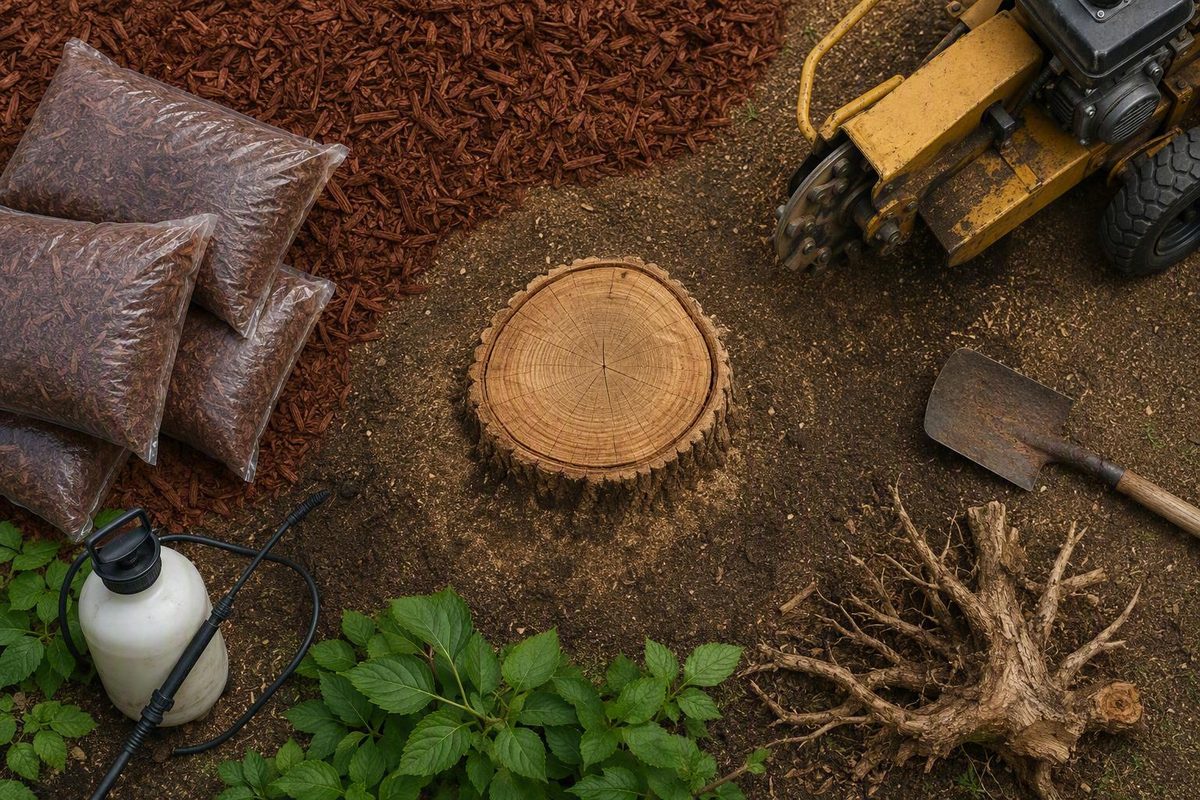
How Many Mulch Bags Make a Yard? By Bag Size
With 2-cu.-ft. bags, 13.5 equals a yard, so buy 14. One yard covers 108 sq. ft. at 3 inches deep; other bag sizes and depths change the project total.
Read Guide
Imported Topsoil vs Existing Soil for Sod: Which to Use
A 4-6-inch total workable root zone may use about 2 inches of added soil over good, loosened ground, but that is generally inadequate over hardpan.
Read Guide
How Many Bags of Mulch Equal a Yard? Counts by Volume
For a 2-cu.-ft. package, one yard is exactly 13.5 bags by volume, so buy 14 whole bags. The chart gives exact counts for other package sizes.
Read Guide
How to Care for Mums in Pots by Checking Soil
At about 90°F, move the pot into shade, then acclimate it gradually as you transfer it from shade into direct sun.
Read Guide
Septic Tank Removal Price: Scope, Access and Disposal
A New Jersey contractor estimates tank-only extraction at $2,500–$4,000. Check whether pumping, permits, fill, compaction and restoration are included.
Read Guide
Glyphosate Can Go Bad: What Makes It Unusable
Even a newer container may be questionable after freezing outside label limits, extreme heat, leakage, contamination, or persistent crystals or separation.
Read Guide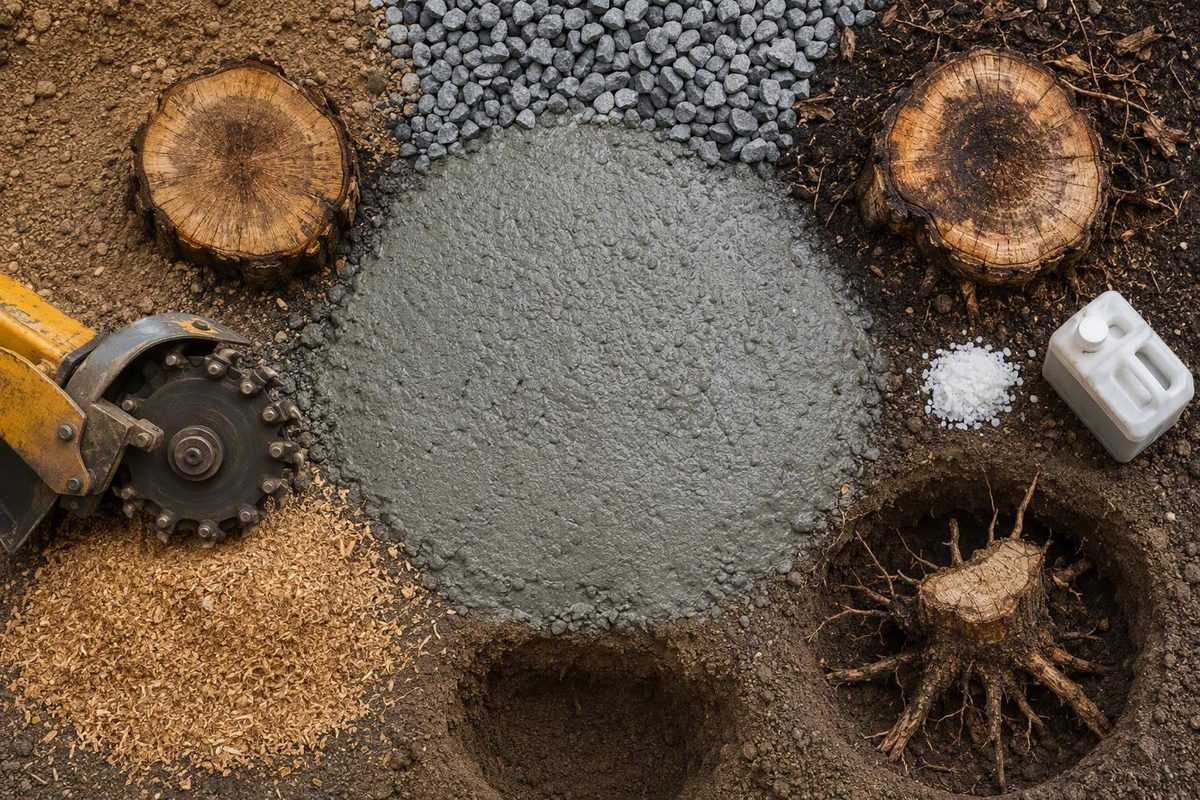
Concrete Coverage per Yard by Depth
At 4 inches, a yard covers 81 square feet in theory. That figure excludes spills, uneven excavation, form movement, consolidation and thickened areas.
Read Guide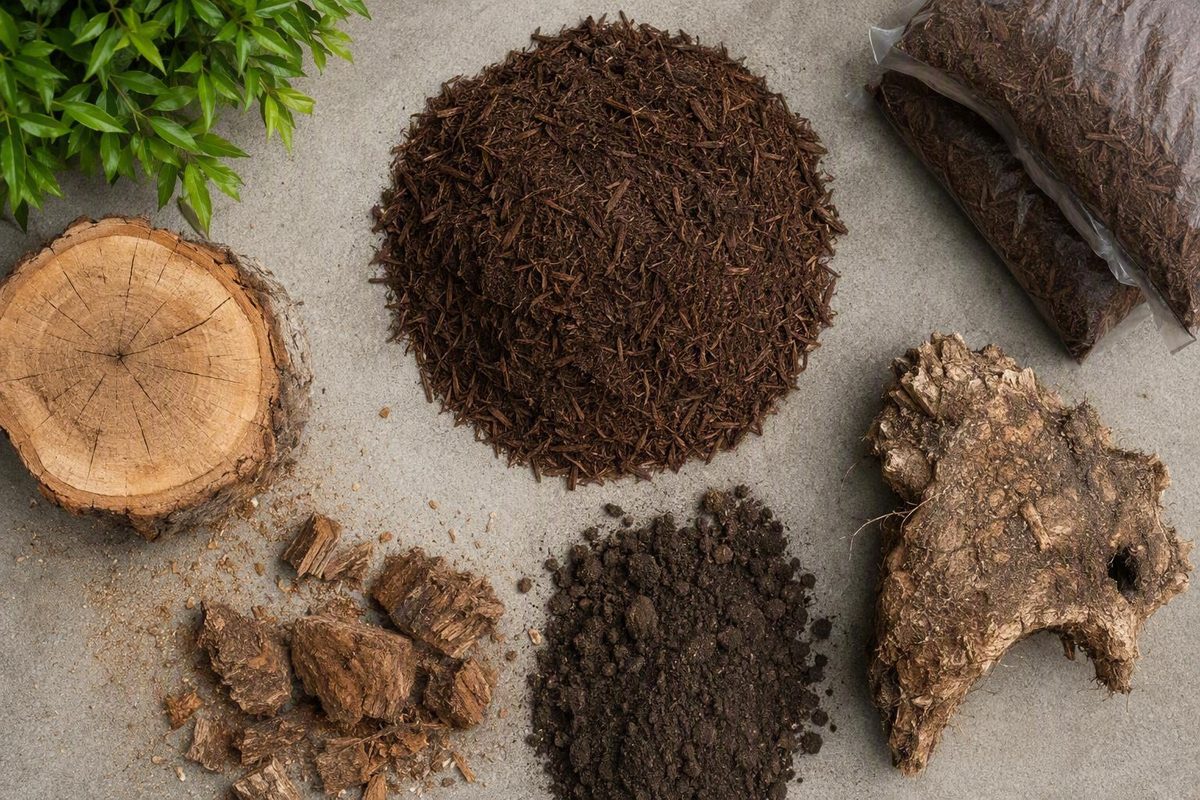
How Much a Cubic Yard of Mulch Costs by Type
Many bulk mulch products in the retailer listings reviewed for this guide fall around $30–$55 per cubic yard before delivery.
Read Guide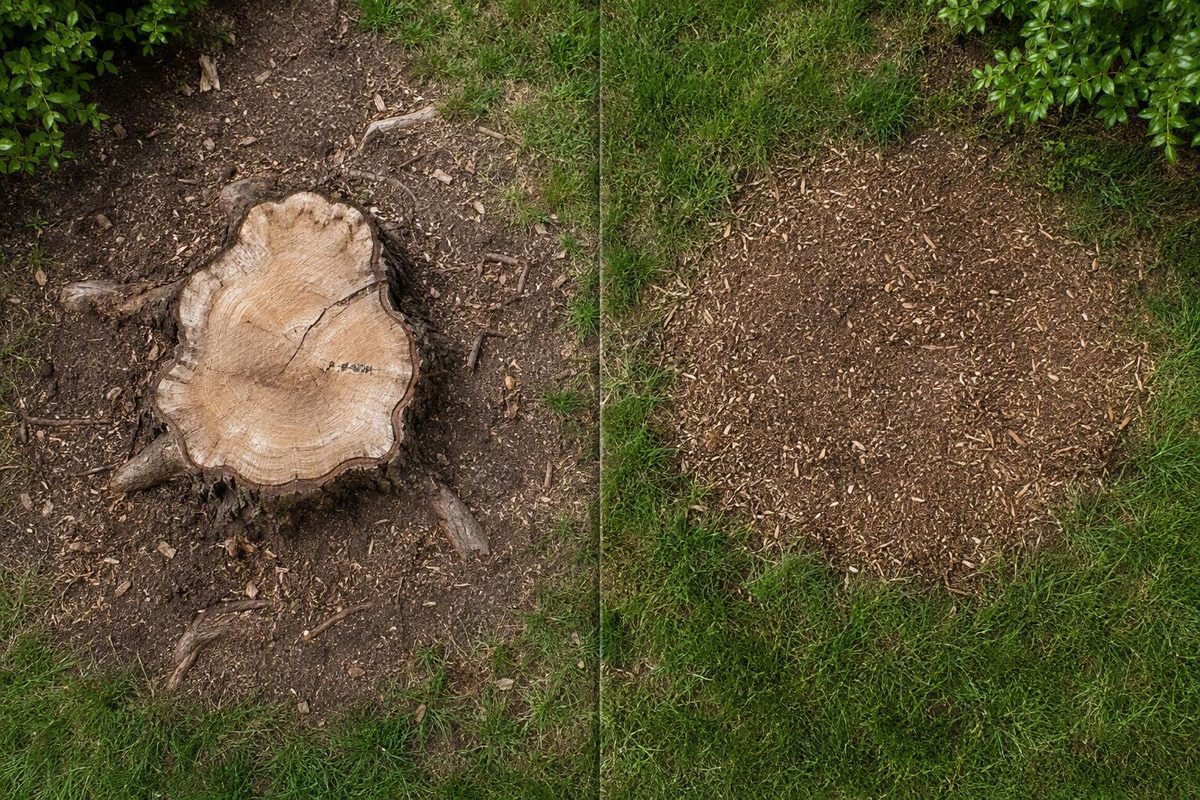
Stump Grinding Before and After Varies by Scope
A grinding-only quote is not comparable to one with hauling, imported soil, grading and turf. Those tasks change what the after photo shows.
Read Guide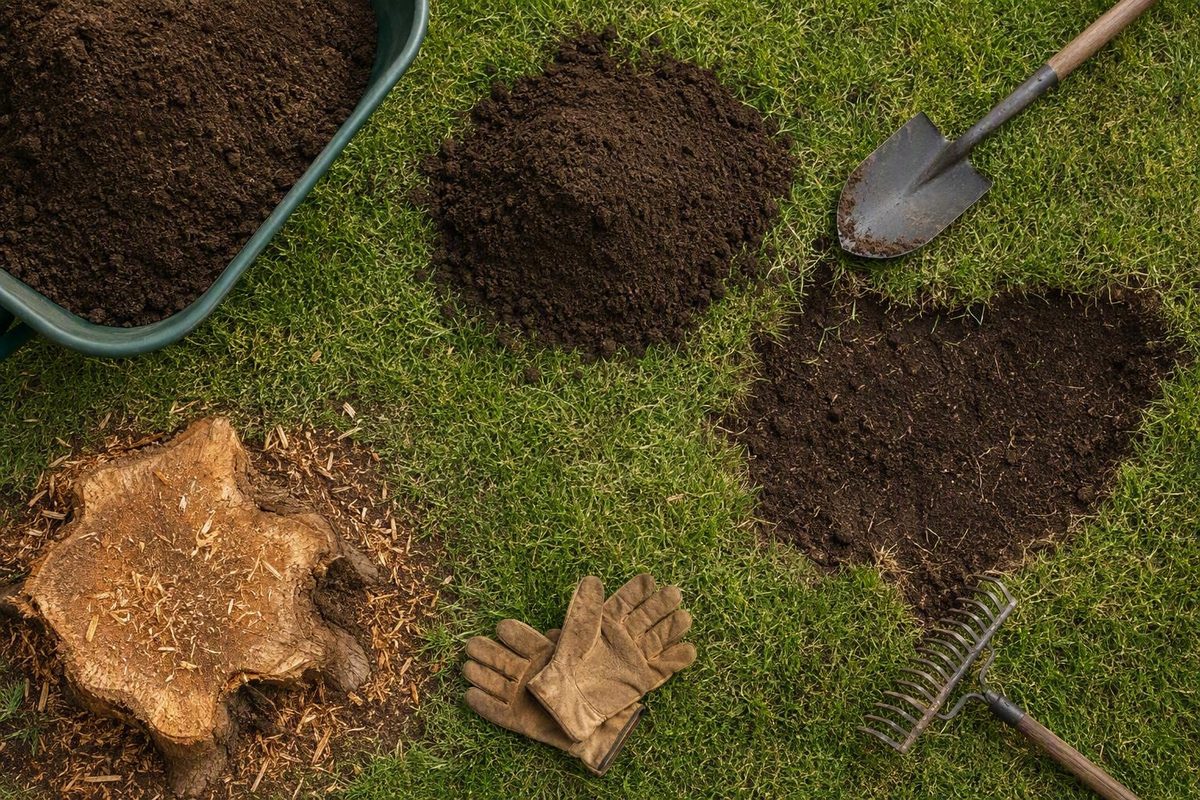
Topsoil vs Sand for Leveling a Yard
Screened topsoil suits shallow lawn repairs. Sand can make a blend easier to screed, but it will not fix drainage. Choose by depth, native soil and turf.
Read Guide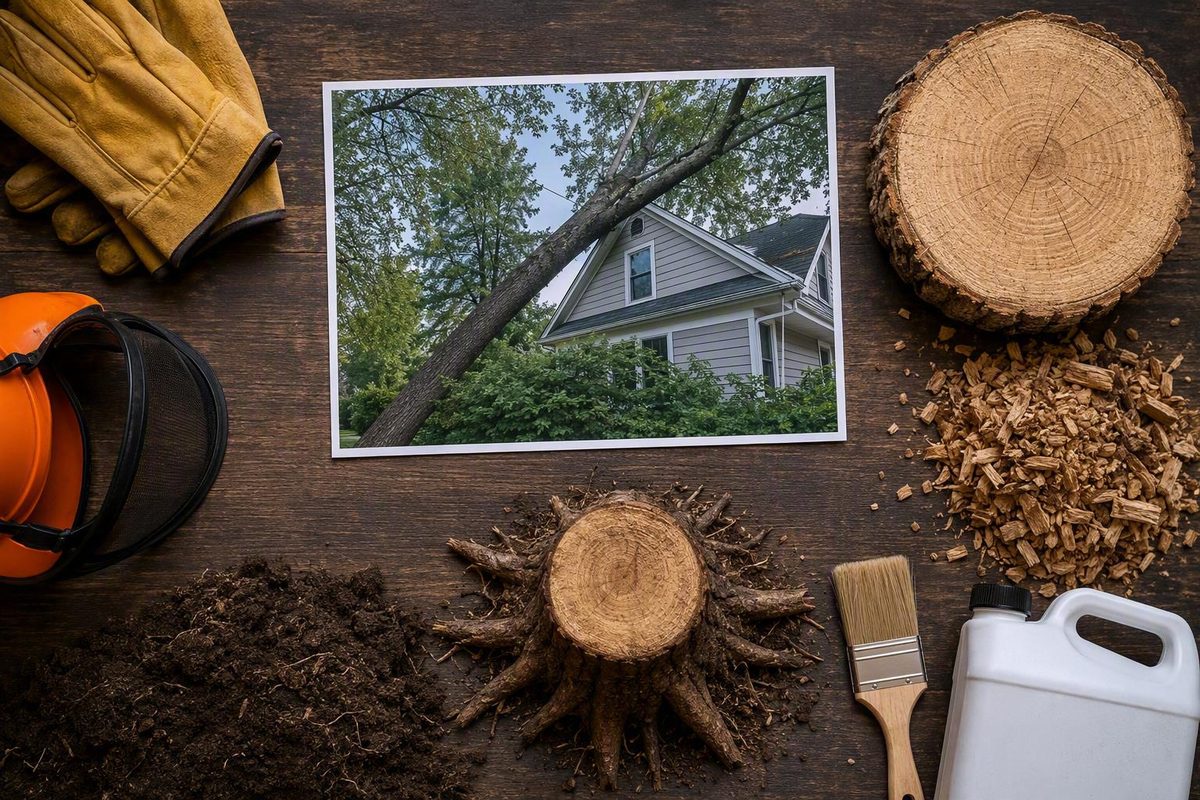
A Tree Leaning Toward Your House Needs 3-Level Triage
New or worsening lean, moving soil, root disturbance, cracks, splits or falling wood call for clearing the area and seeking urgent professional help.
Read Guide
Which Crossbow Herbicide Mix Ratio Applies?
A 1-gallon batch uses 1 1/3, 2 or 5 1/3 fl oz for 1%, 1.5% or 4%. The current label's target, site and method determine which strength applies.
Read Guide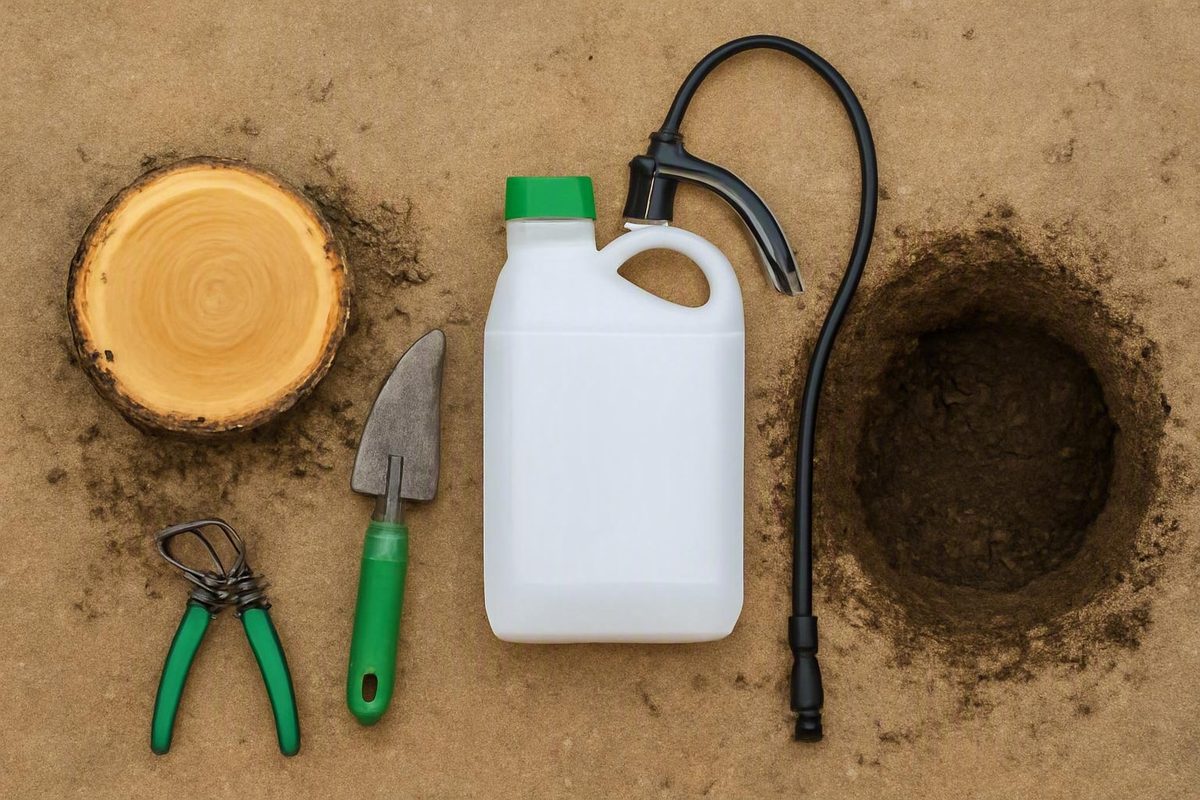
What Broad-Spectrum Herbicide Means
A contact product can brown exposed foliage while leaving a perennial's underground structures alive. Visible injury alone does not establish root control.
Read Guide
How Many Cubic Feet Are in a Yard of Mulch? Bag Sizes
A cubic yard is a standardized 27-cubic-foot volume, while a supplier-defined scoop can vary in capacity.
Read Guide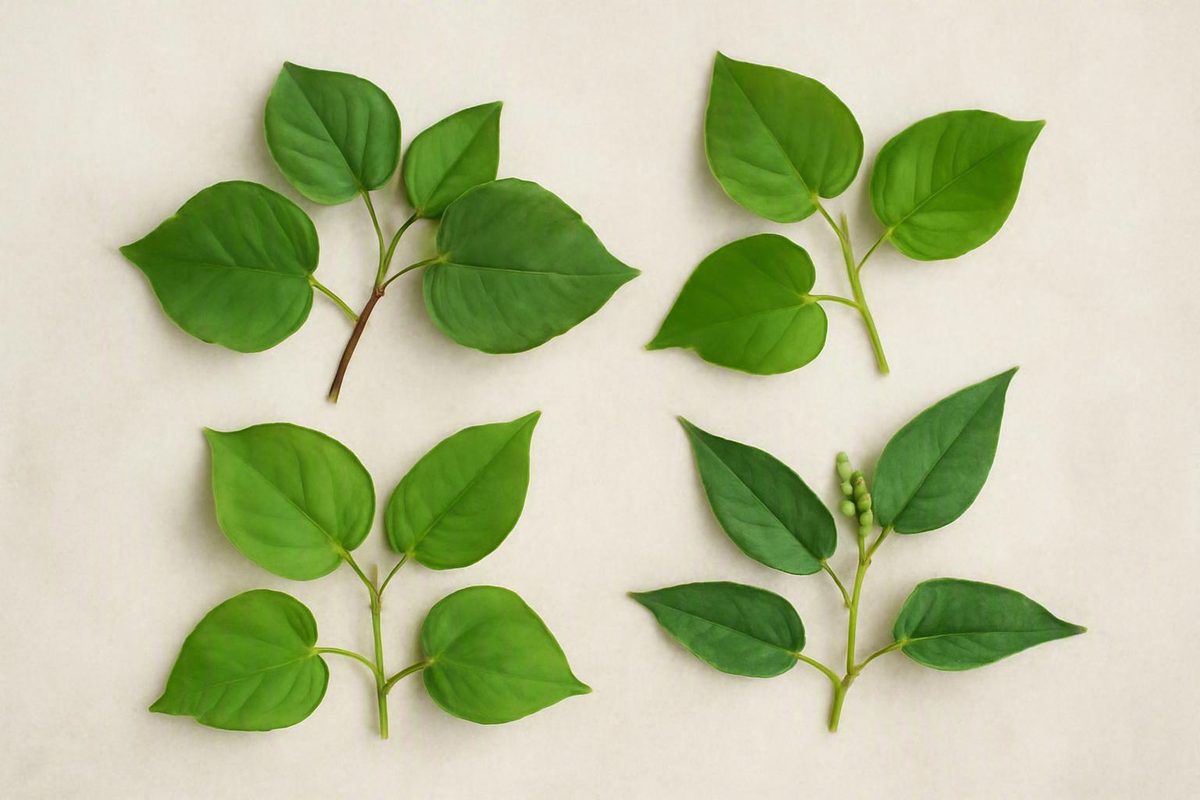
Which Plants Are Mistaken for Japanese Knotweed?
Japanese knotweed stands on self-supporting canes and never twines. Screen lookalikes by growth habit first, then check stems, leaves, flowers and dieback.
Read Guide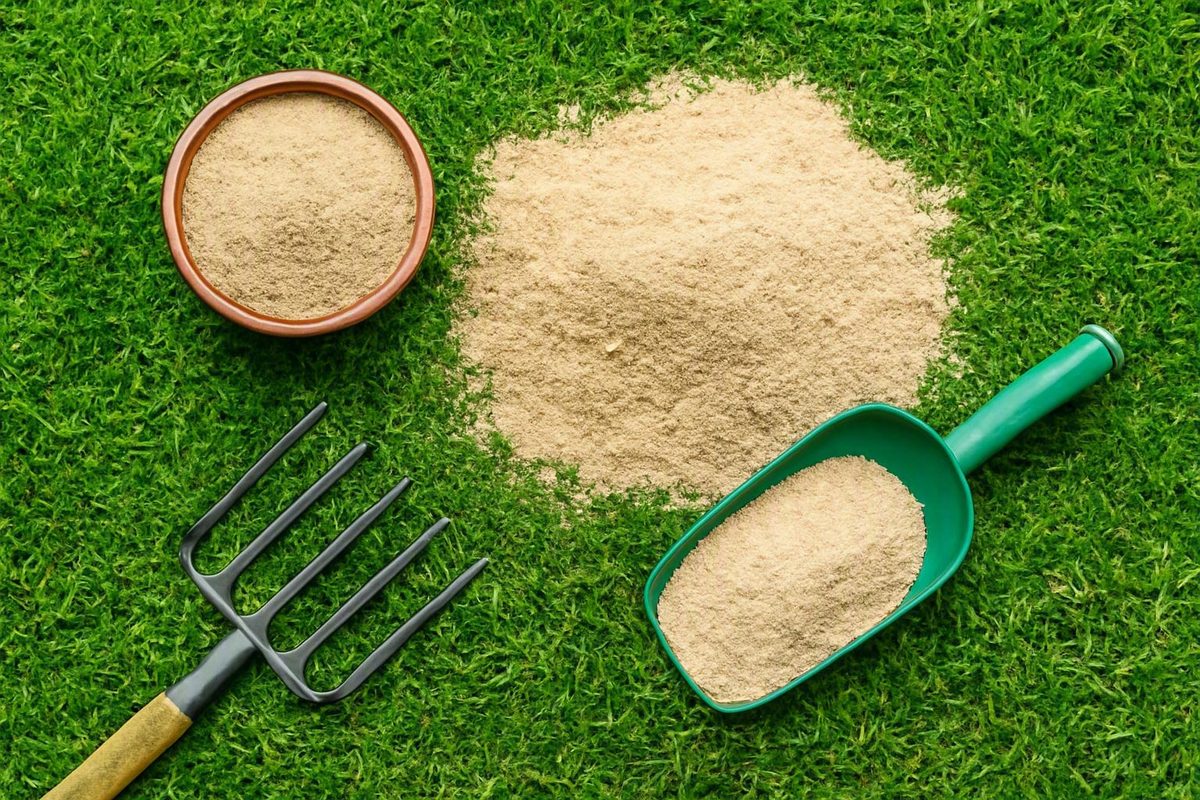
Best Sand for Lawn Leveling by Repair Depth
Clean, screened masonry sand suits shallow smoothing during active growth. Deeper repairs call for soil or a soil-sand blend, with turf restoration where needed.
Read Guide
Stump Grinding Cost: Size, Access and Cleanup
The preliminary starting price is the greater of the diameter calculation or the service minimum, not necessarily the stump's per-inch price.
Read Guide
Tree Removal Cost: Negotiate Scope, Timing and Extras
A lower written bid is real leverage only when it covers equivalent work from a contractor who meets your qualification and insurance requirements.
Read Guide
Tree Regrowth From a Stump Requires Living Tissue
The original trunk does not grow back, and no individual sprout is guaranteed to become a healthy, durable replacement tree.
Read Guide
How to Operate a Stump Grinder: Setup to Shutdown
Locate buried utilities and get model-specific training before bringing the cutter to its specified speed while clear, making contact and sweeping shallow layers.
Read Guide
Will a Tree Stump Grow Back? What Decides It
Stumps or surviving roots may produce shoots when living tissue remains. Your goal determines whether to monitor regrowth, suppress shoots or extract the stump.
Read Guide
East Indian Mango Tree: Trade-Offs
Best for warm-climate growers who value intense, juice-friendly mango flavor, have room for a non-dwarf tree, accept pruning and assess local disease pressure.
Read Guide
Gleditsia triac. 'Skyline' Needs Room to Mature
As Skyline's crown matures, ascending limbs extend outward and the top can become broader, rounded, or comparatively flat.
Read Guide
What to Expect From Gleditsia triacanthos Skyline
Plan for a substantial crown, possible surface-root conflicts with hardscape, occasional pods and maintenance that changes with regional pest pressure.
Read Guide
How Long Does Herbicide Take to Work? Timelines by Type
Some contact herbicides show visible injury within hours. Track decline and watch for regrowth because brown leaves alone do not prove root control.
Read Guide
How Long to Grind a Stump: Cutting vs Full Job
Failing to distinguish these clocks explains why one person may call a stump a "30-minute job" while another reasonably reserves two hours for the appointment.
Read Guide
"Lescohid" Is Not a Real Herbicide: What You Actually Have
No EPA-registered herbicide carries this name. It traces to a content-farm domain registered in December 2025 — here is how to identify what you actually sprayed.
Read Guide
How Long Roundup Takes to Work by Product and Weed
Early symptoms can appear within hours with certain formulations. A rapidly browned leaf surface is not proof that below-ground growth has died.
Read Guide
How Long Weed Killer Takes to Work by Type and Result
The realistic window spans minutes for first visible leaf injury to several weeks for complete control, because those are different milestones.
Read Guide
How Much a Bobcat Skid Steer Weighs by Model
The reported S850 figure is more than three times the S70 figure, so "a Bobcat skid steer" is not specific enough for a hauling calculation.
Read Guide
Which Saw for Cutting Flush: Joints, Floors or Stumps?
Fine woodworking normally calls for a thin, flexible flush-cut handsaw with little or no tooth set. Floors and stumps require different tool categories.
Read Guide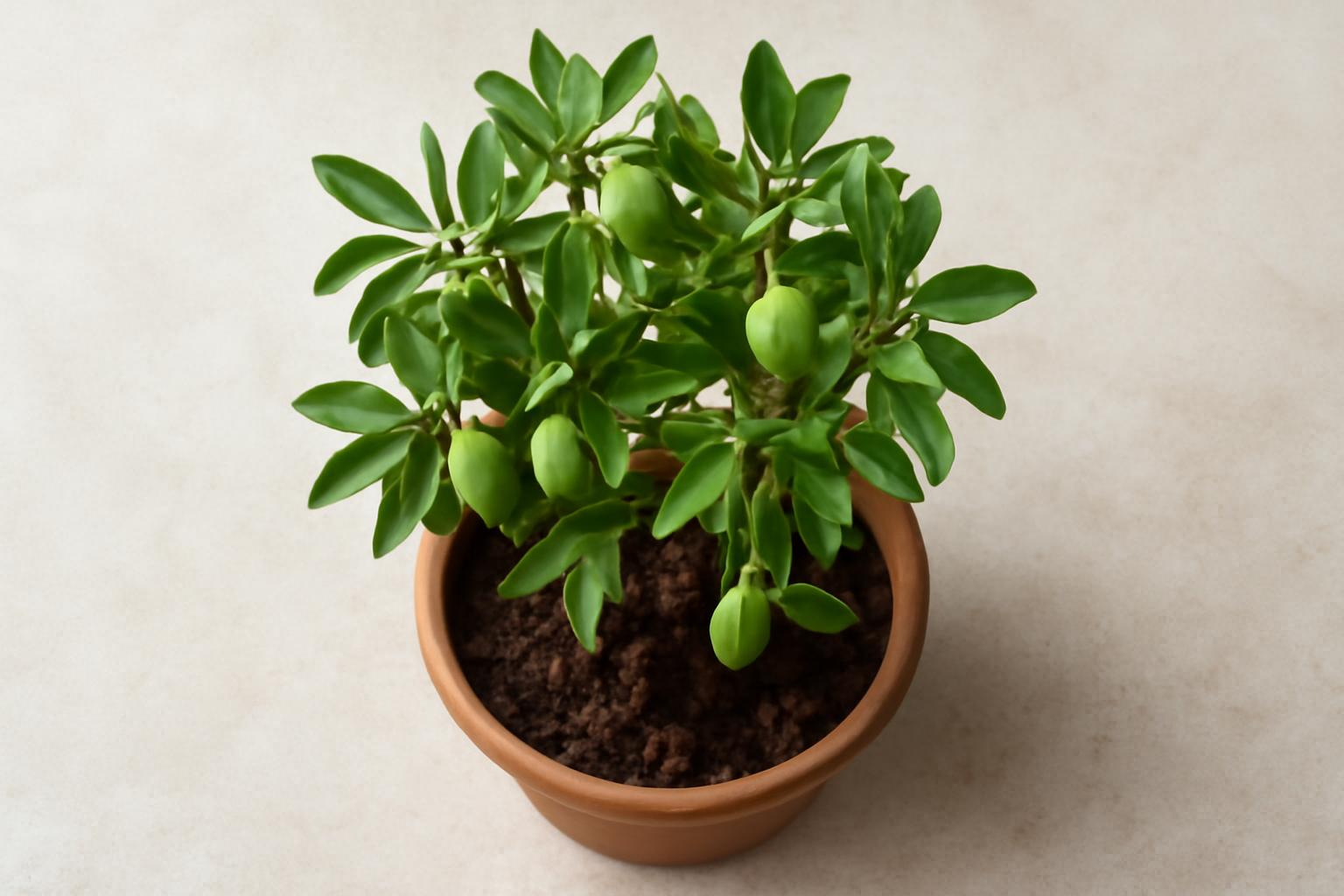
All-in-One Almond Tree Needs Heat and Drainage
One nursery listing puts first bearing at 2 to 3 years after planting, with soft-shelled sweet nuts ripening from late September into October.
Read Guide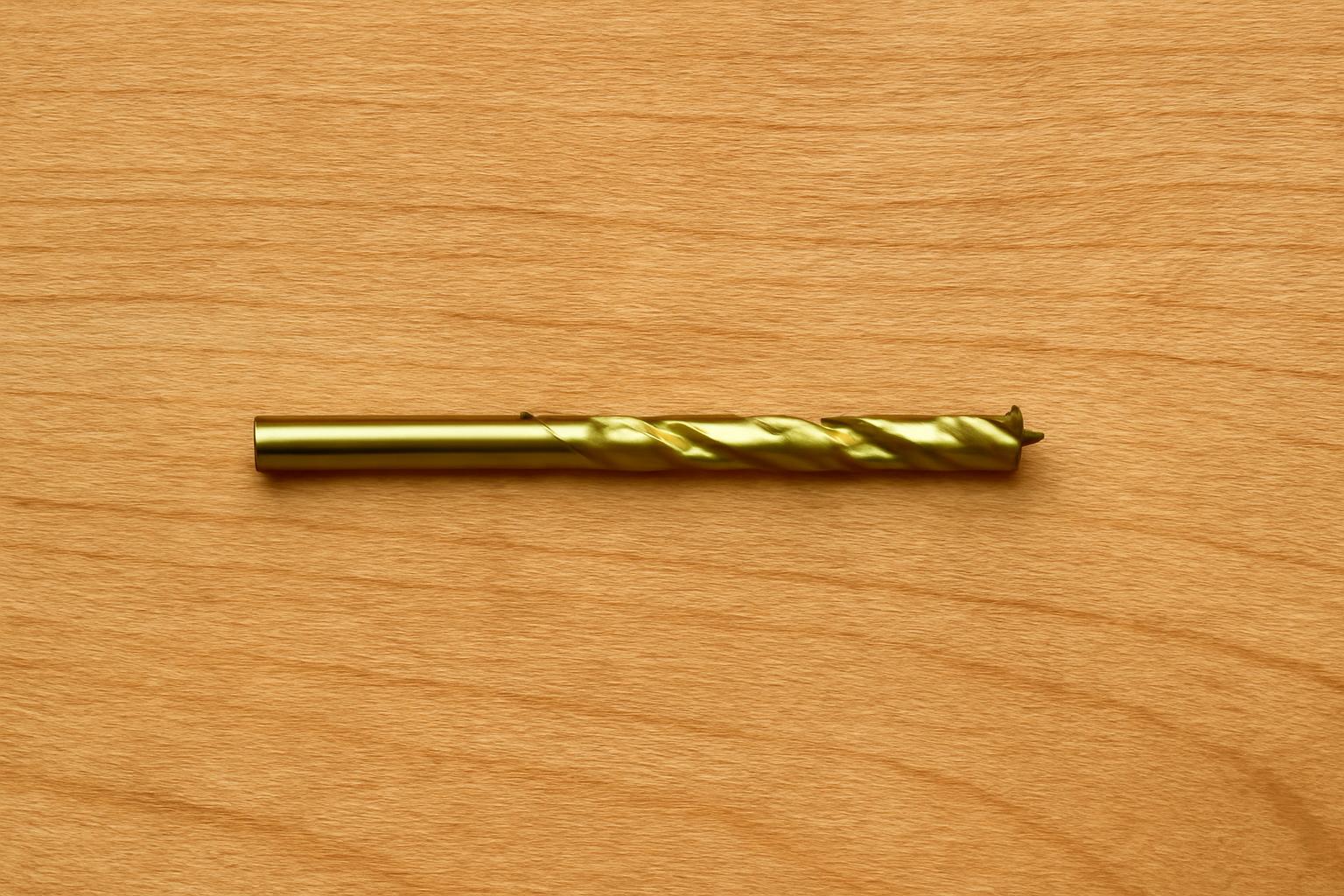
5/64 Brad Point Drill Bit: Size and Shank Fit
The nominal size is 0.078125 inch (1.984 mm), about 0.016 mm under 2 mm. That gap can matter for precision fits; shank choice also affects holder fit.
Read Guide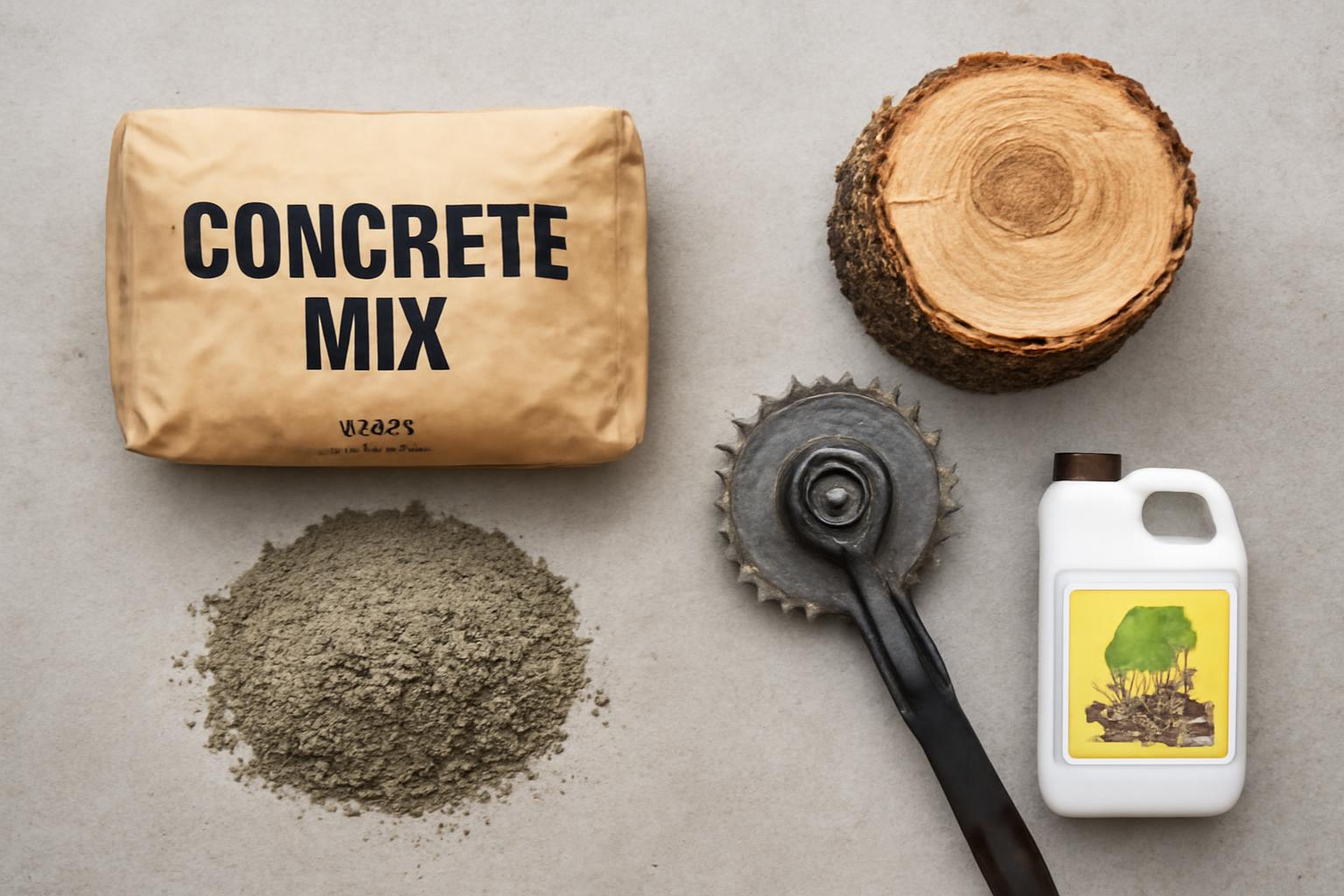
60 lb Concrete Bag Coverage Changes With Thickness
Convert slab dimensions to cubic feet, divide by the nominal 0.45 cu ft yield and round up. Then account separately for an uneven base and waste.
Read Guide
Compact Drilling Spans Multiple Classes
Six families range from machining drills to water-well rigs, but there is no shared market size threshold. Choose by task, material, method, hole size and access.
Read Guide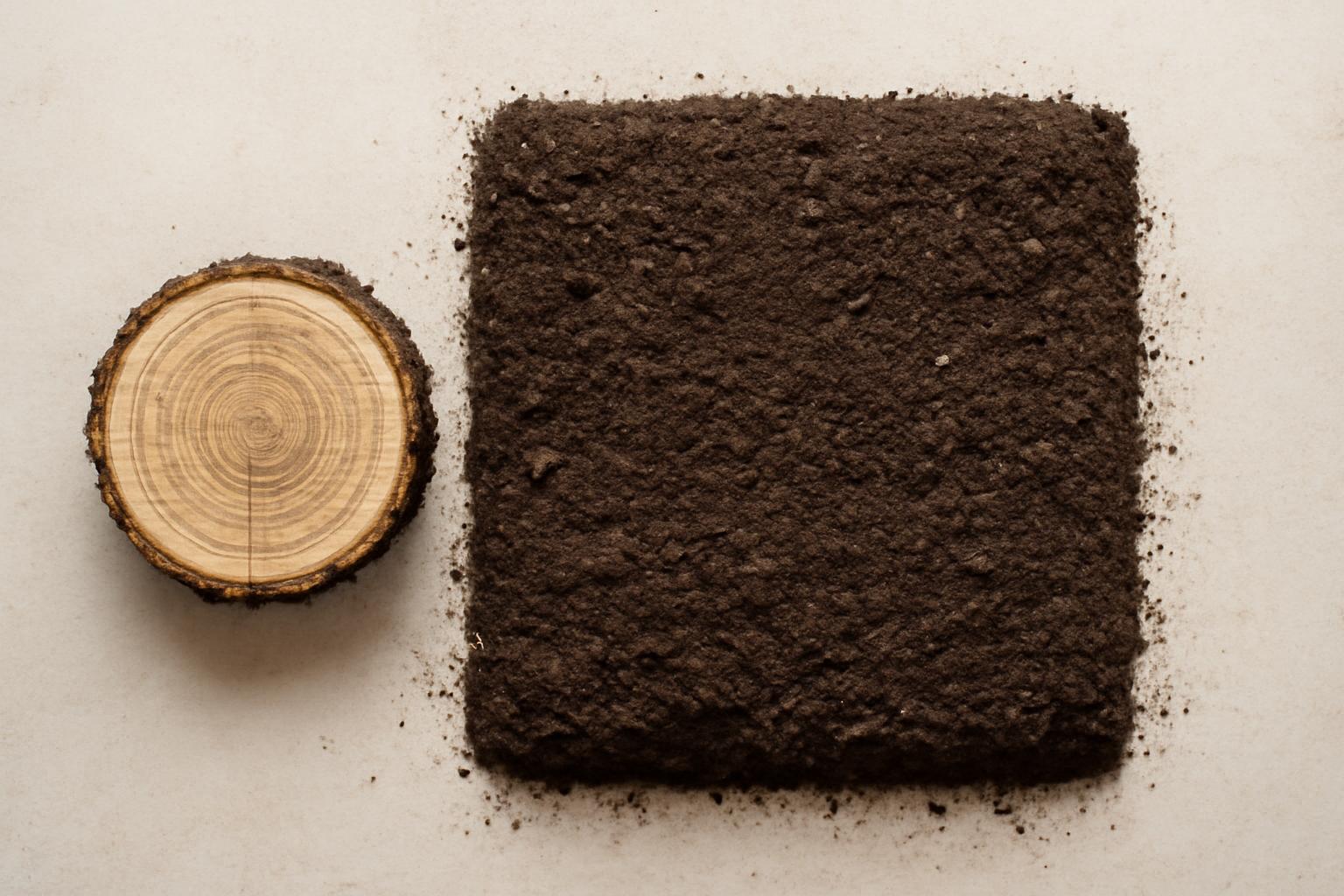
Cubic Yard of Dirt Coverage Table by Depth
At 3 inches deep, one yard covers about 108 sq. ft. Compare depths, then account for uneven spreading, settling and compaction when ordering.
Read Guide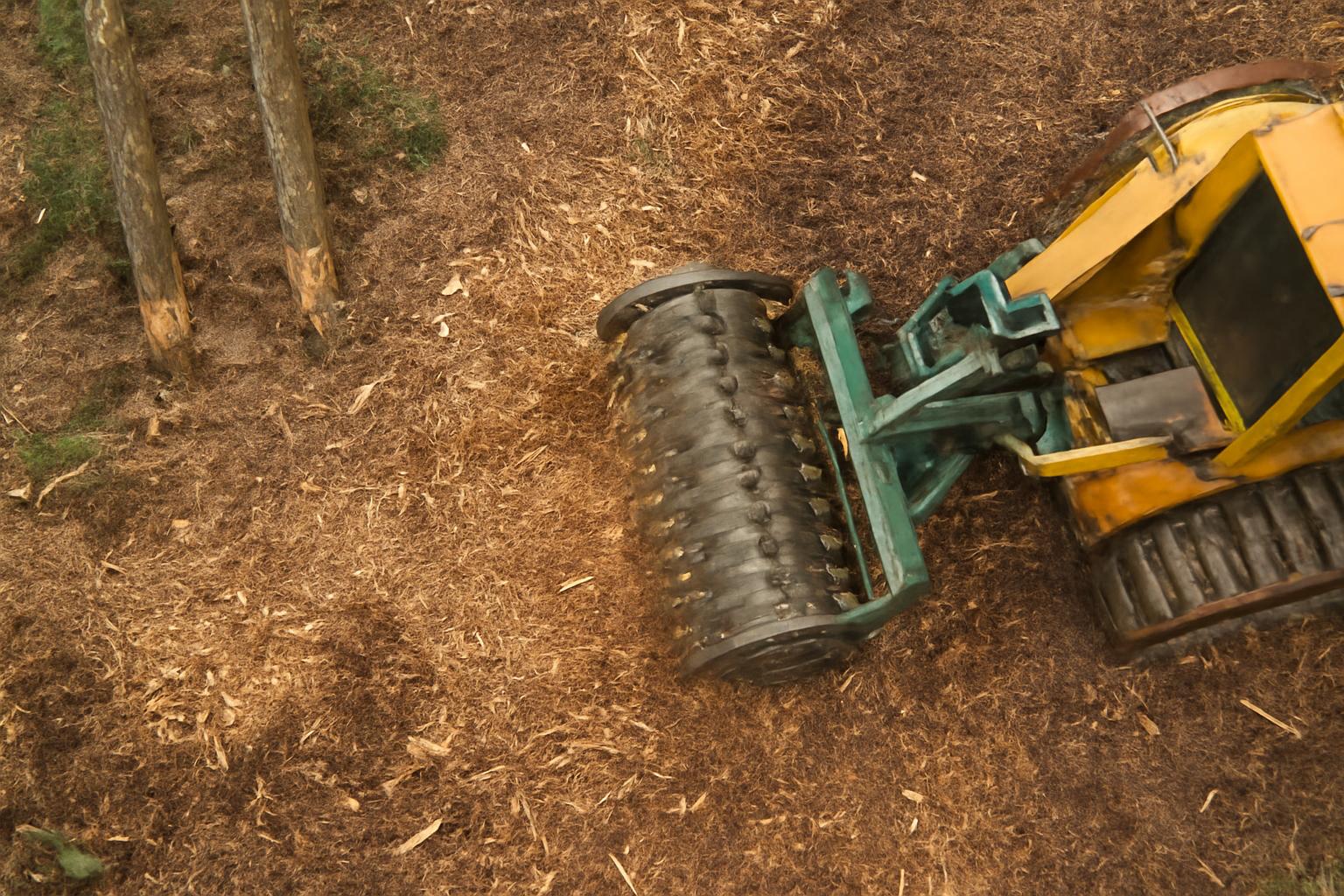
Is a Drum Mulcher Right for Your Clearing Job?
It suits jobs needing a finer finish and better debris control. Before buying, match the exact model to your carrier's hydraulic flow, pressure and capacity.
Read Guide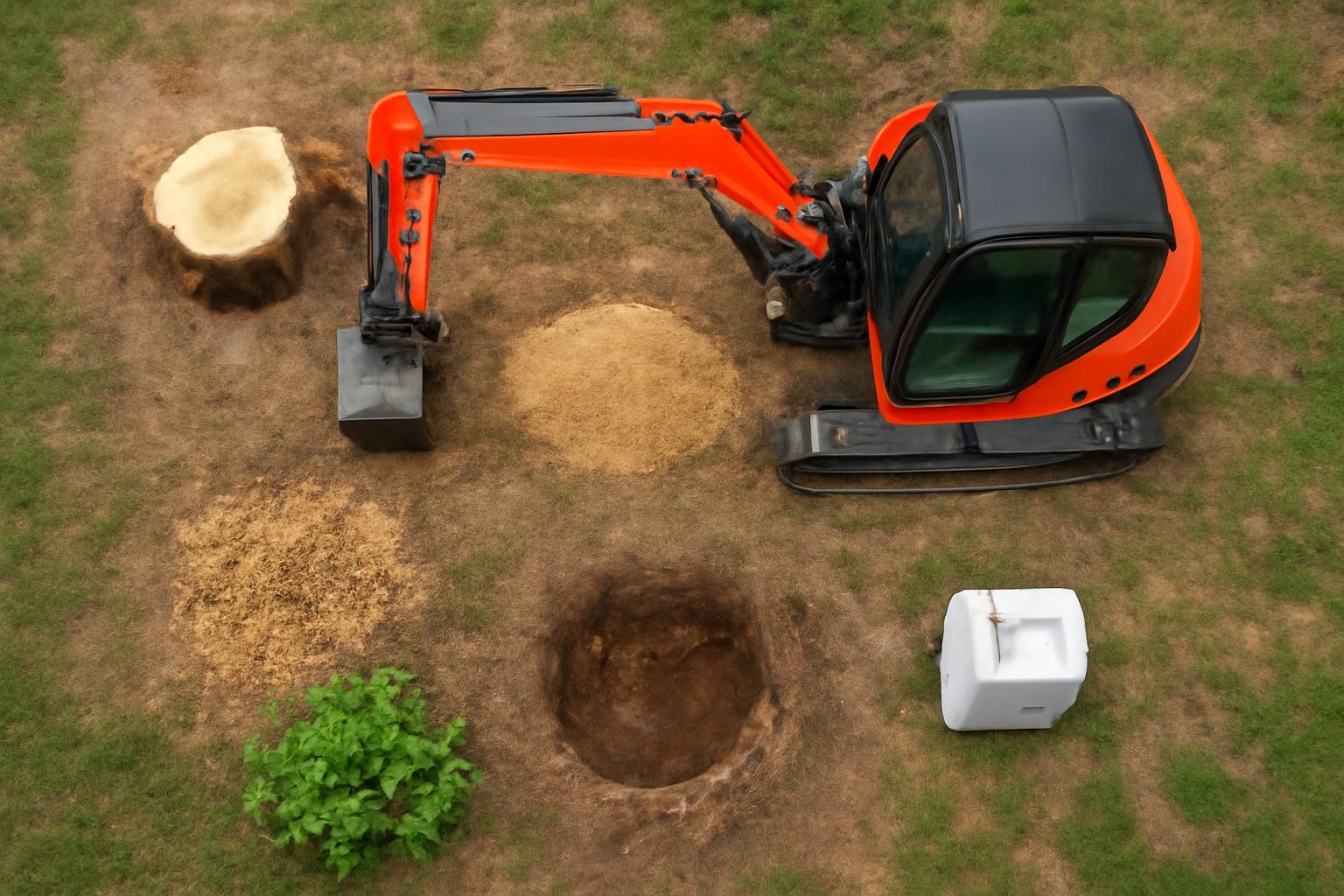
What Is the Kubota KX080? Specs, Price and Variants
The current KX080-5 spans 18,520-19,620 lb by configuration. Model suffixes and included attachments determine which specs and prices compare.
Read Guide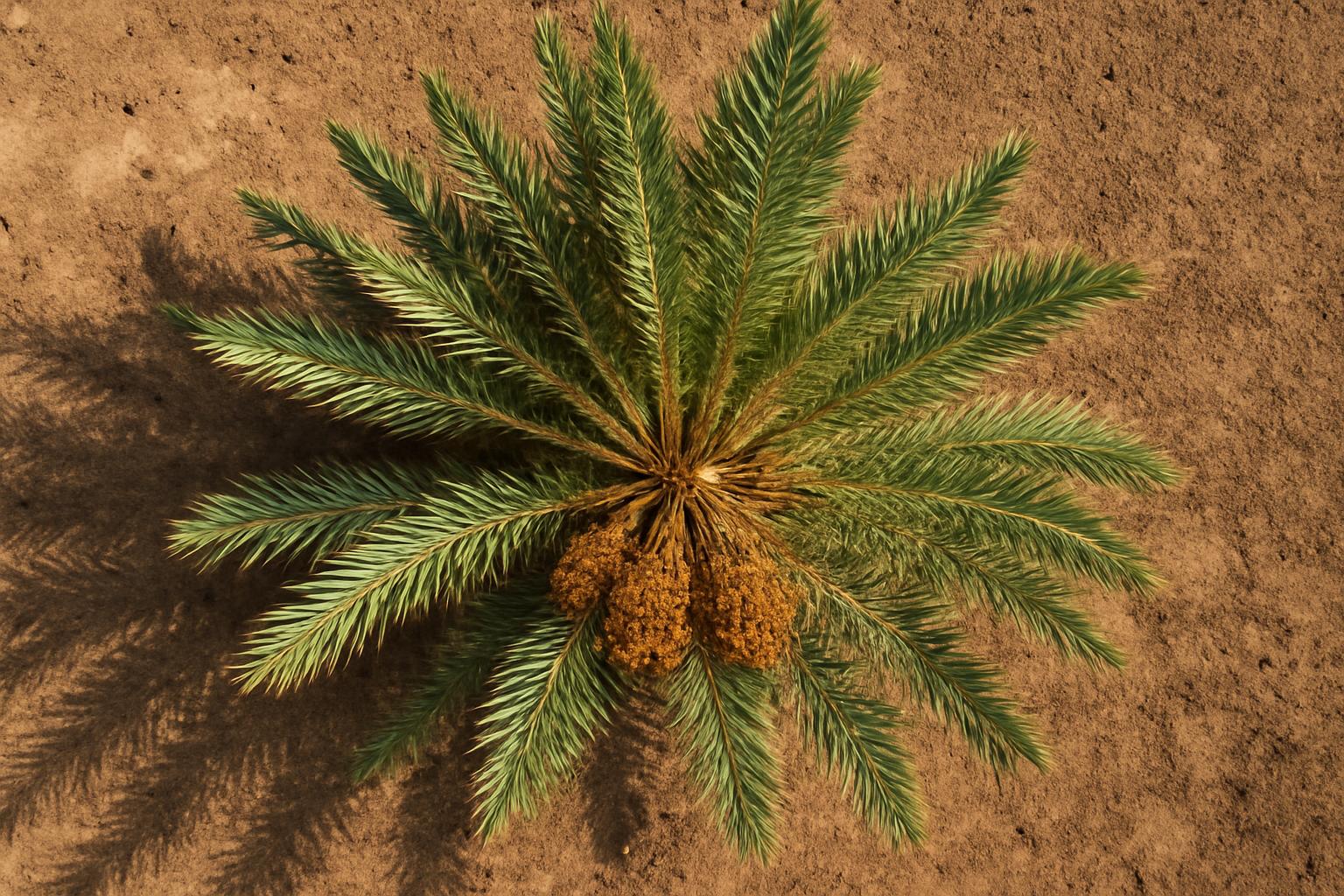
Medjool Date Palm Tree: Ornamental vs Fruiting Needs
Only about 50% of palms grown from seed will be female and therefore fruit-bearing. Dates from seedlings are often smaller and poorer quality.
Read Guide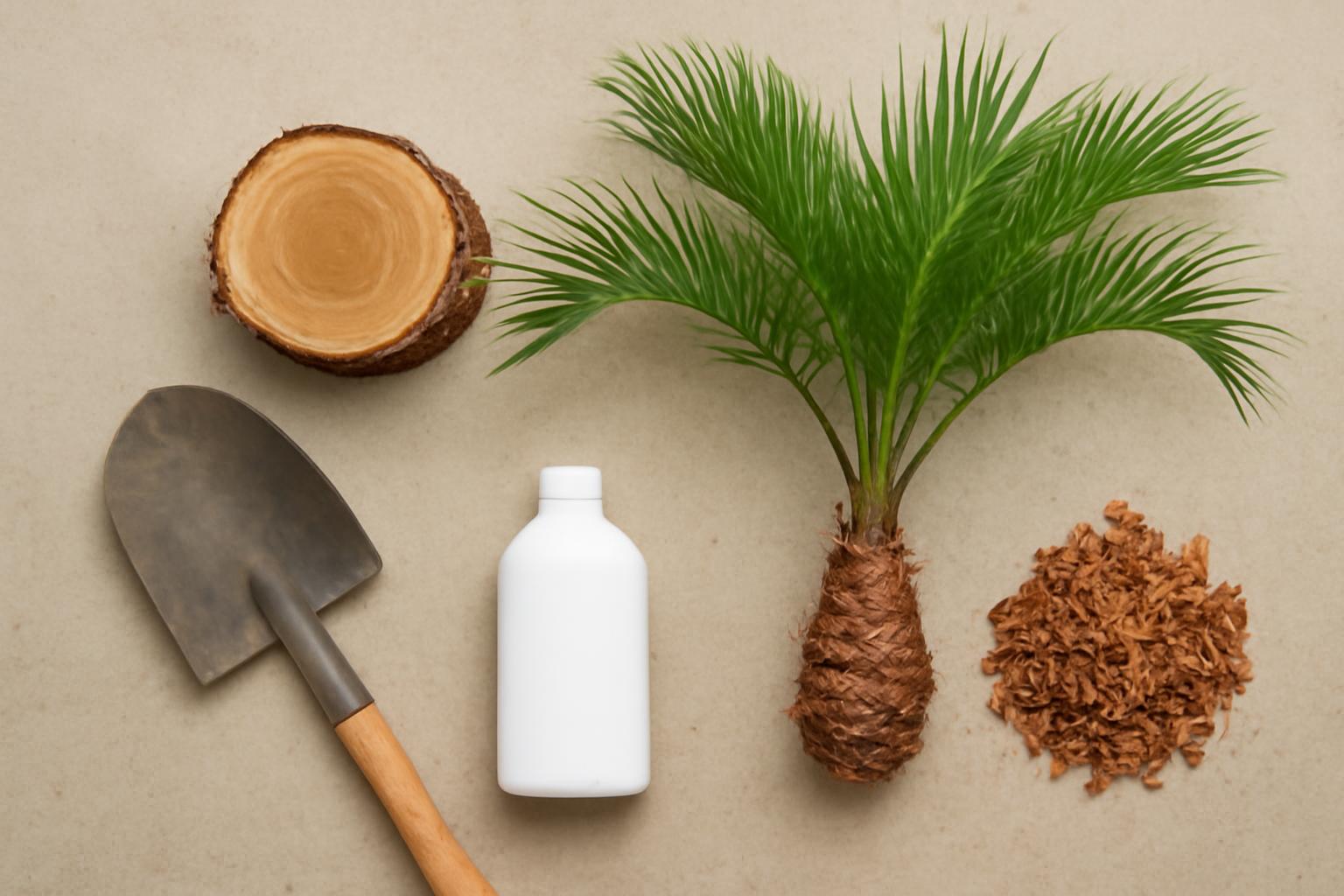
Mule Palm Tree Suitability Depends on Site
Established mule palms may withstand 14°F, but frond damage can occur. Cold survival does not guarantee an untouched canopy.
Read Guide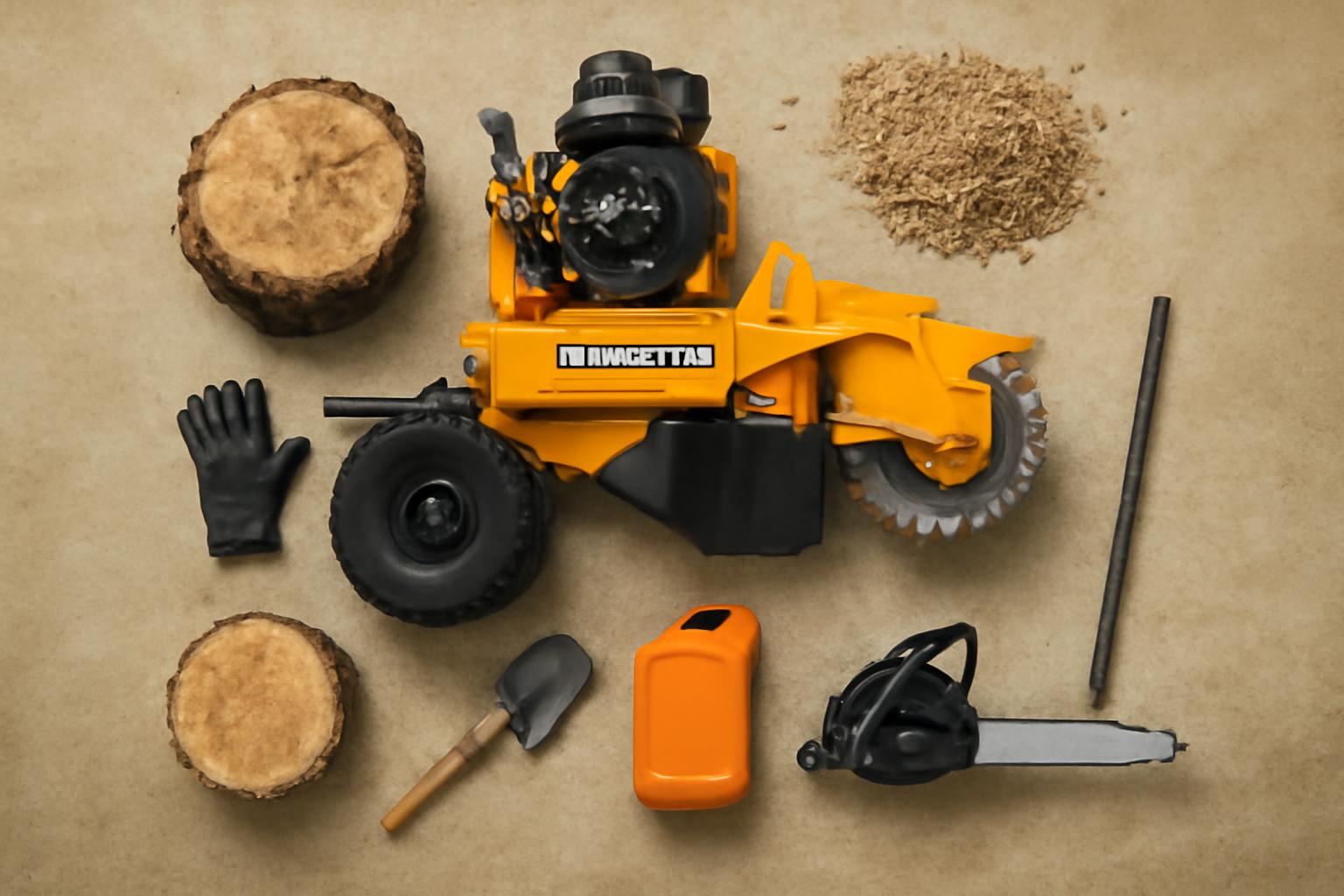
Bandit Stump Grinders Span Four Classes
A grinder that will not fit through the gate, exceeds your towing setup, or is poorly matched to a slope can erase any apparent savings very quickly.
Read Guide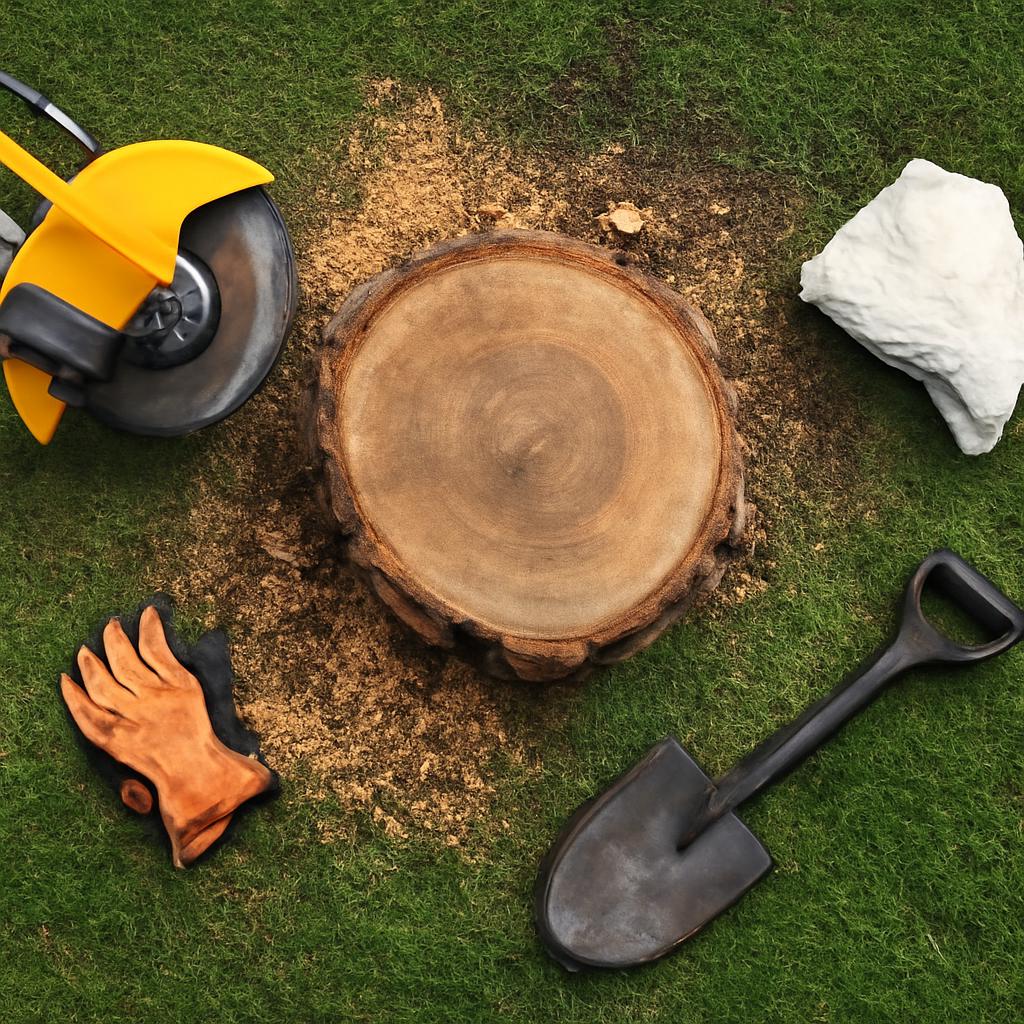
How to Remove a Tree Stump Easily in Honolulu
Compare more than price: check whether the crew can enter your yard, how they finish the hole and whether grinding avoids a more disruptive removal method.
Read Guide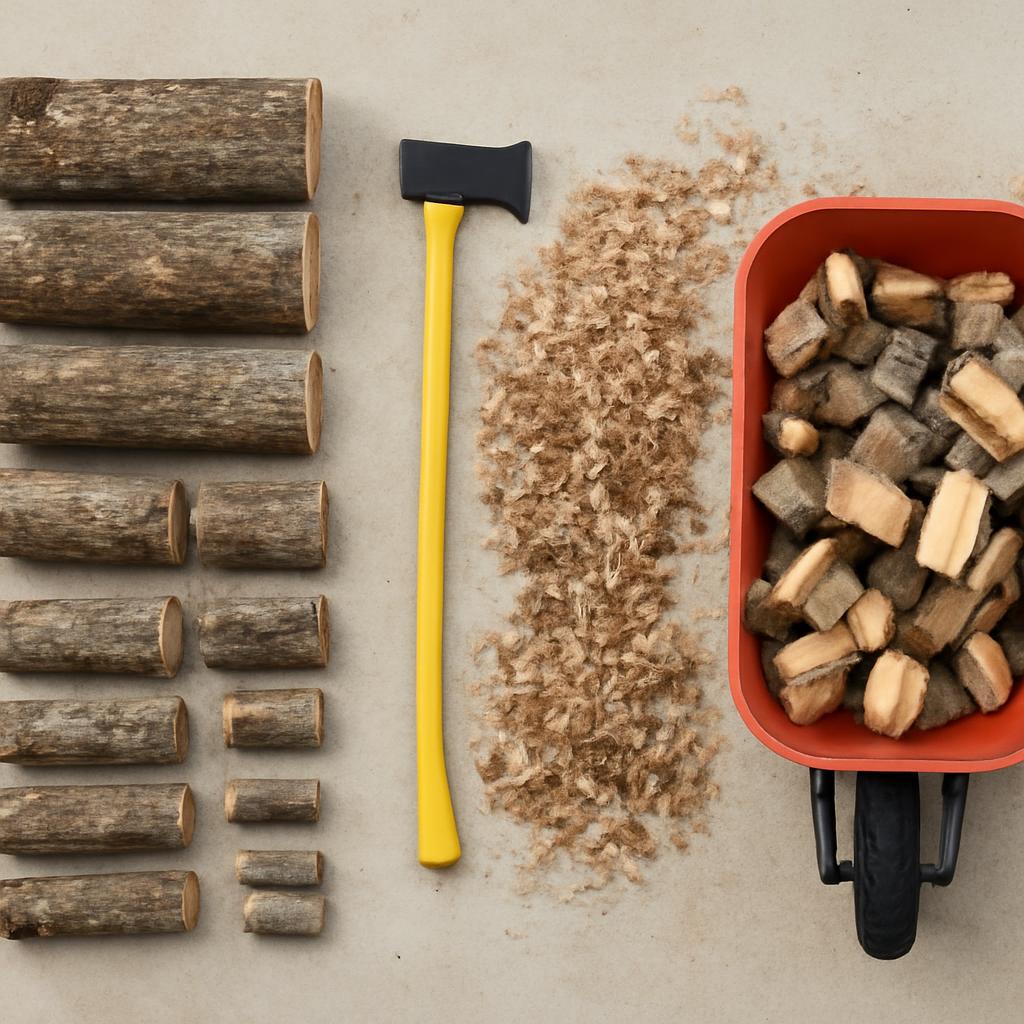
How to Get Rid of Logs: 5 Options by Pile Size
Municipal pickup and free takers suit manageable pieces. Oversized rounds push the job toward equipment, while movement rules limit legal destinations.
Read Guide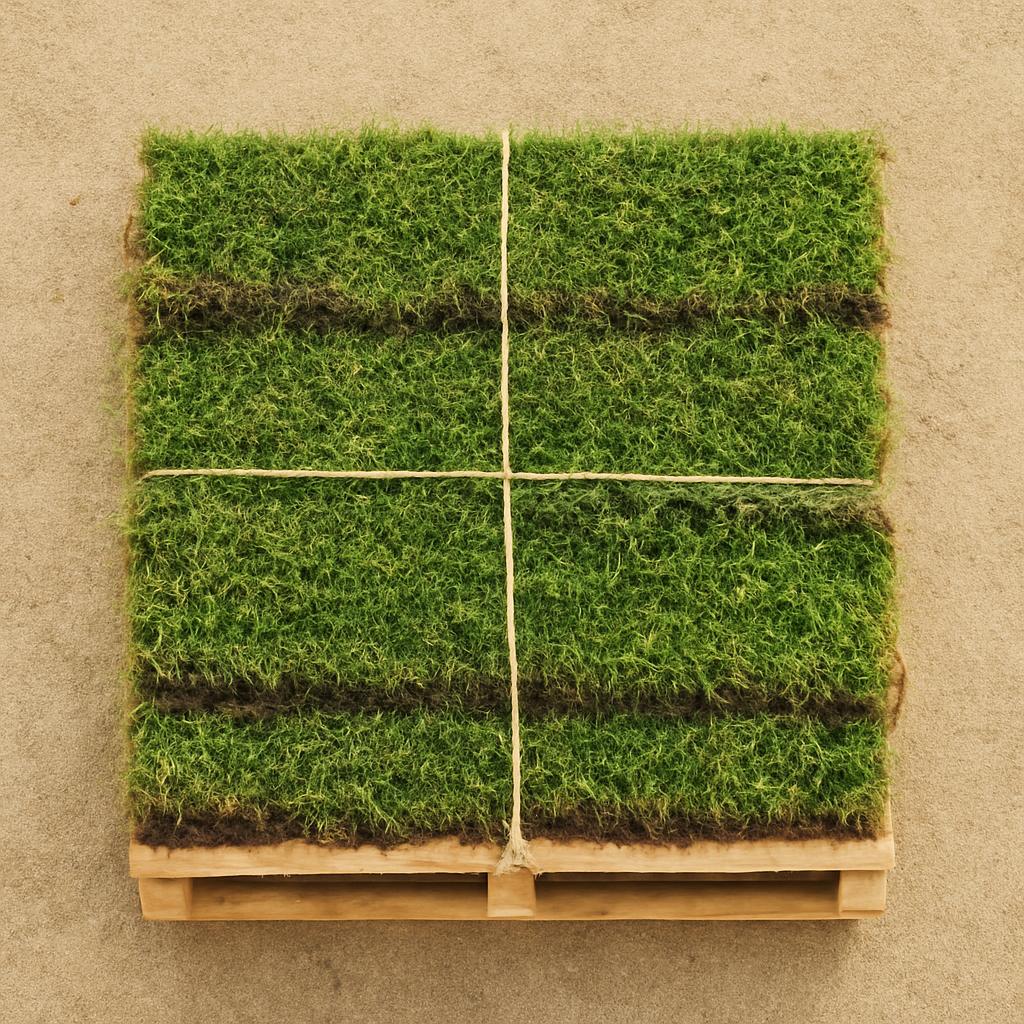
How Much a Sod Pallet Weighs and What Changes It
Plan around 2,000-3,000 pounds for many full pallets, then confirm the supplier's exact day-of weight and coverage before pickup.
Read Guide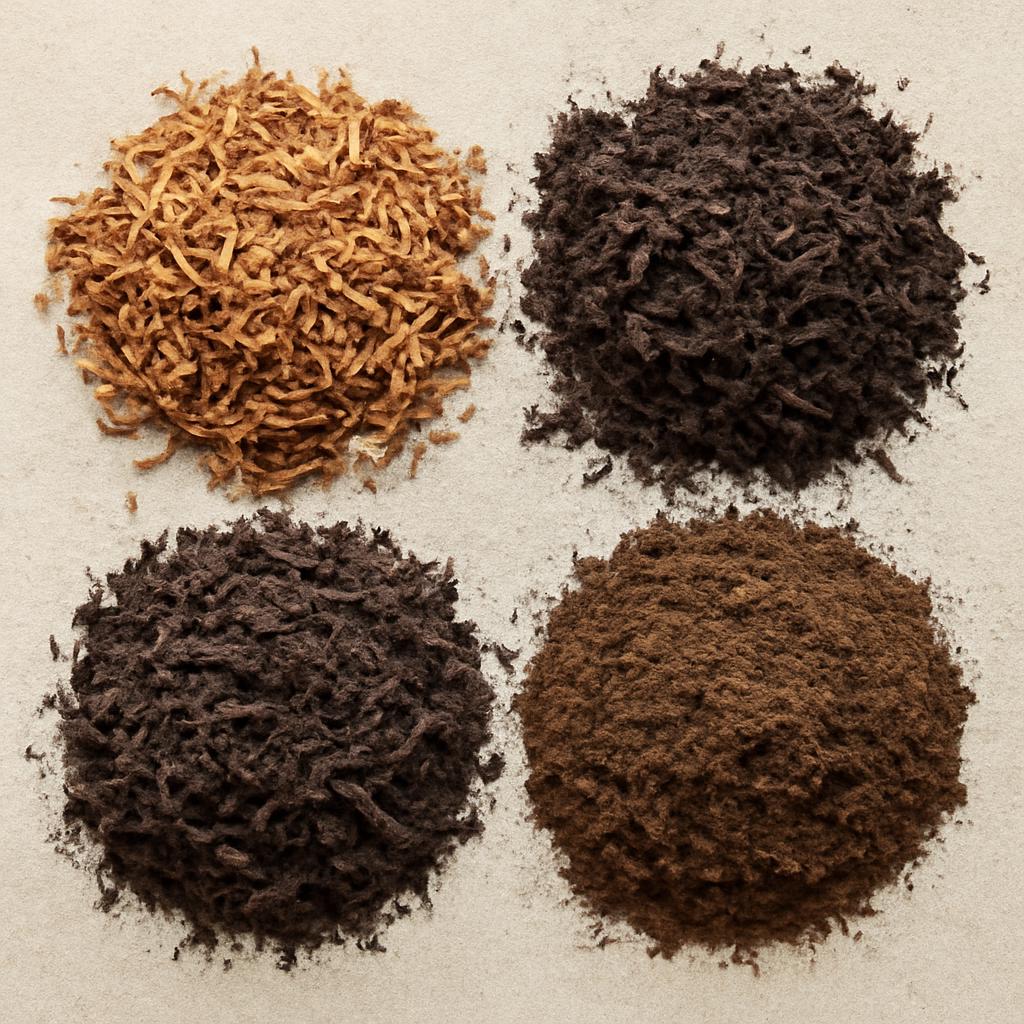
How Much a Yard of Mulch Weighs by Type and Moisture
Most dry wood mulch weighs 400-800 lb per yard and often 800-1,000+ lb wet. Use the wet figure when checking your pickup's payload.
Read Guide
How Much Does a Yard of Soil Cost by Type?
Bulk topsoil commonly runs about $10–$55 per cubic yard before delivery. Screening, amendments, seller and location can change the final total.
Read Guide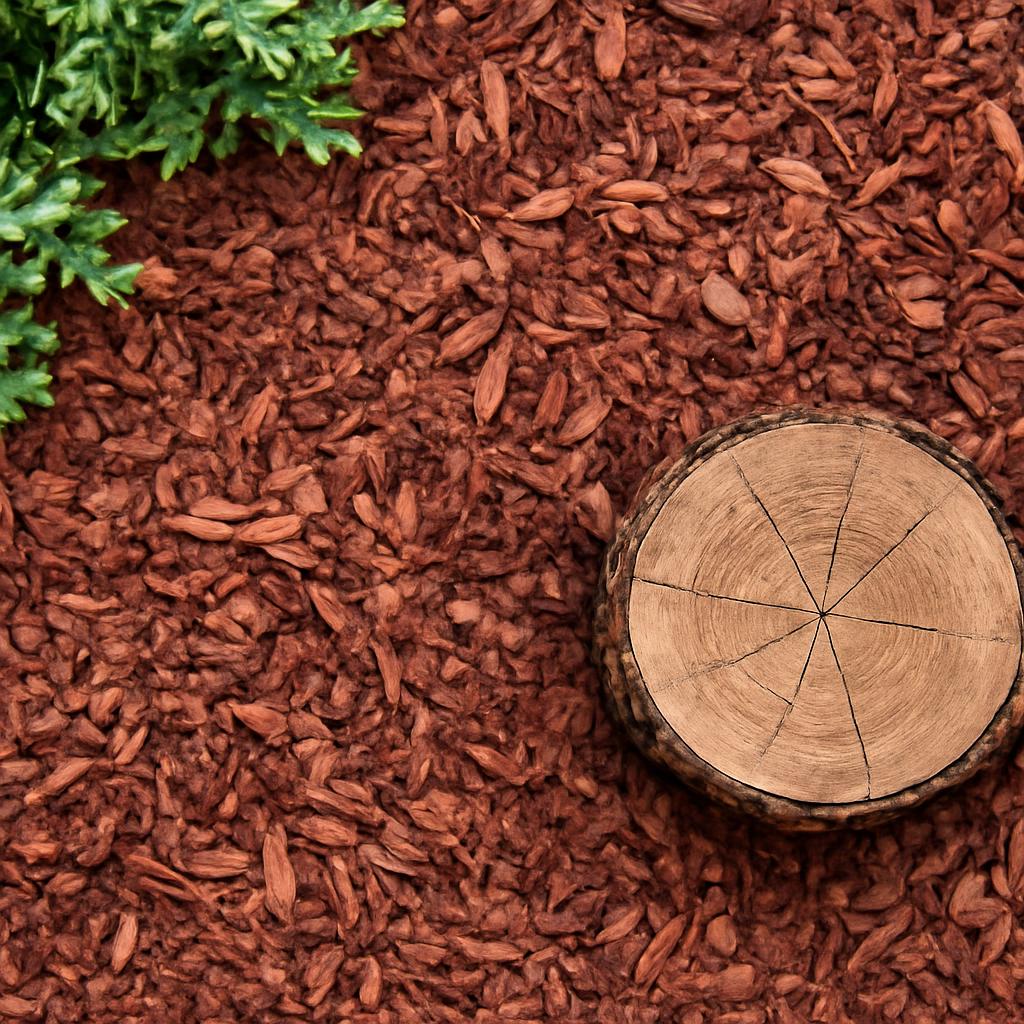
Shredded Bark Mulch: Uses, Depth and Limits
Spread shredded bark 2 to 3 inches deep. Its fibrous texture suits slopes, but bark-and-wood blends may look and break down differently from pure bark.
Read Guide
How to Handle Tree Damage Cleanup: DIY Limits
After storm damage, DIY branch cleanup is limited to branches under 2 inches in diameter that are reachable from the ground without a ladder.
Read Guide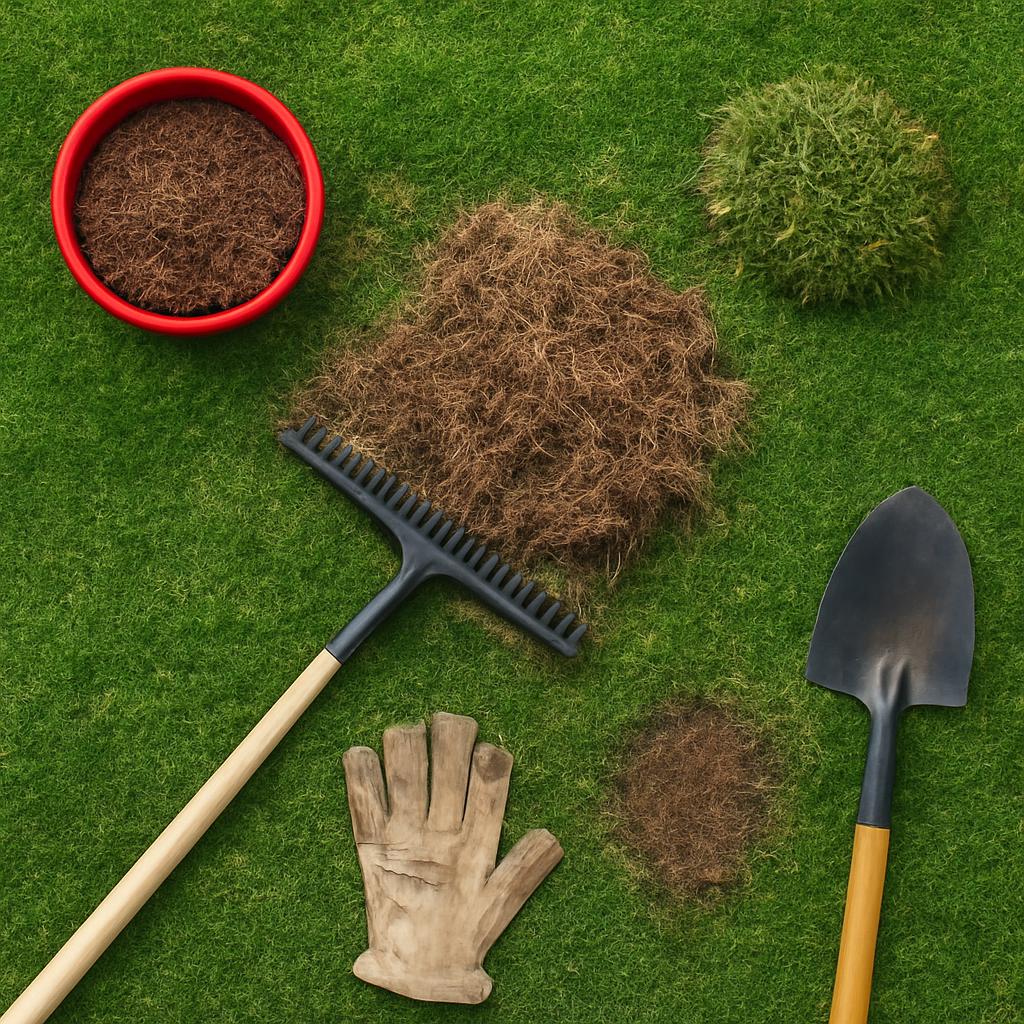
When to Dethatch a Lawn by Grass Type
Cool-season lawns favor late summer to early fall; warm-season lawns wait until after green-up. Confirm excess thatch with a wedge test before proceeding.
Read Guide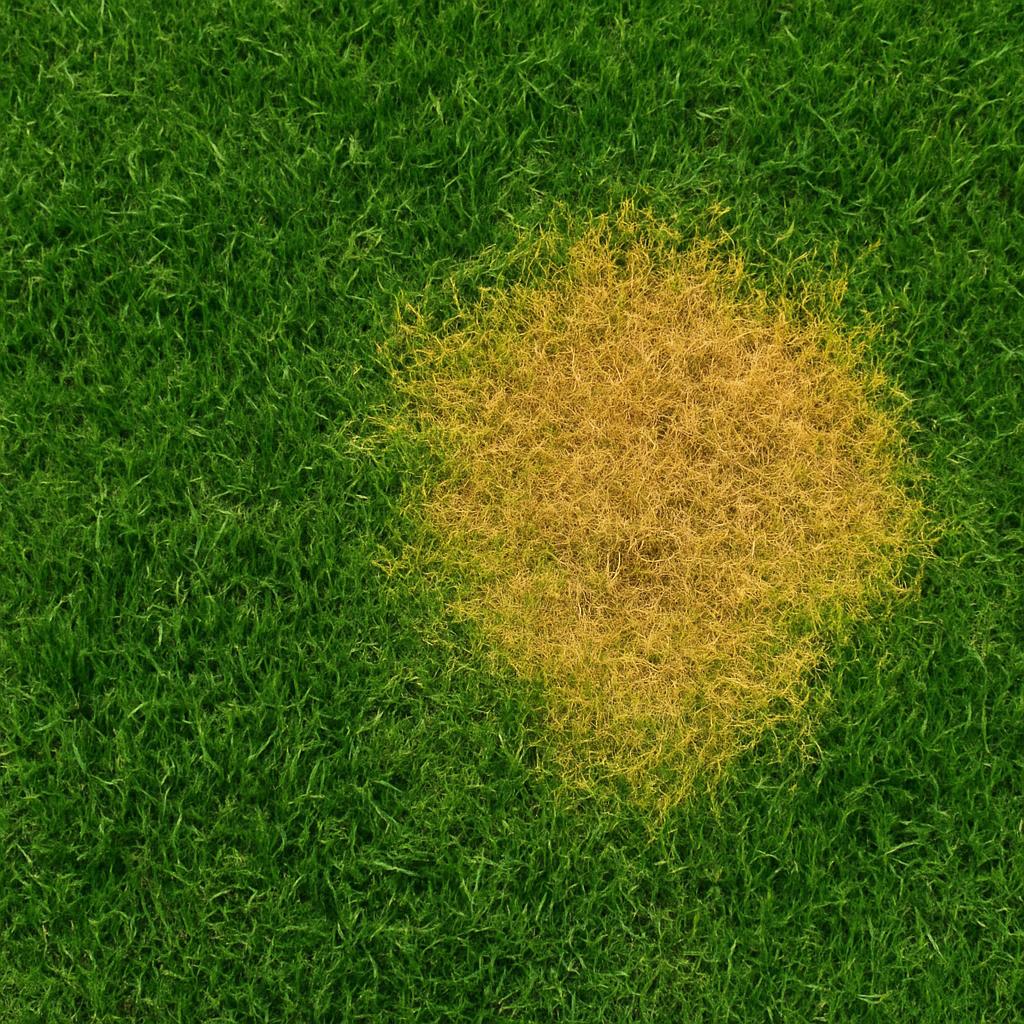
Diagnose Yellow Grass Before Treating Your Lawn
A firm white or cream crown usually means the turf is alive. Use the patch pattern, soil moisture and root grip to choose the right fix.
Read Guide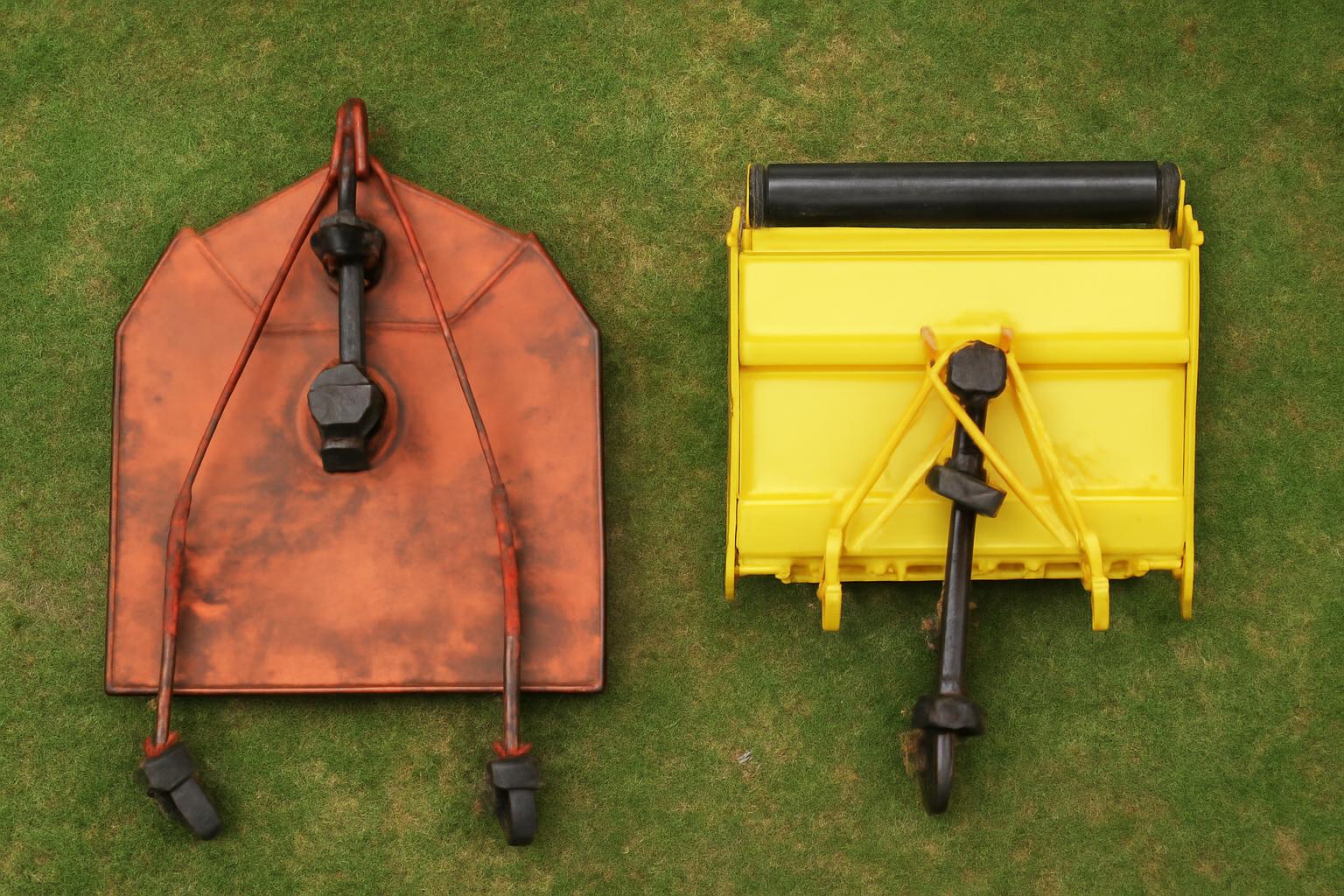
Brush Hog vs Flail Mower: Job, Ground and Upkeep
Properties with both rough reclamation and later maintenance may call for both at different stages rather than forcing one mower to do every job.
Read Guide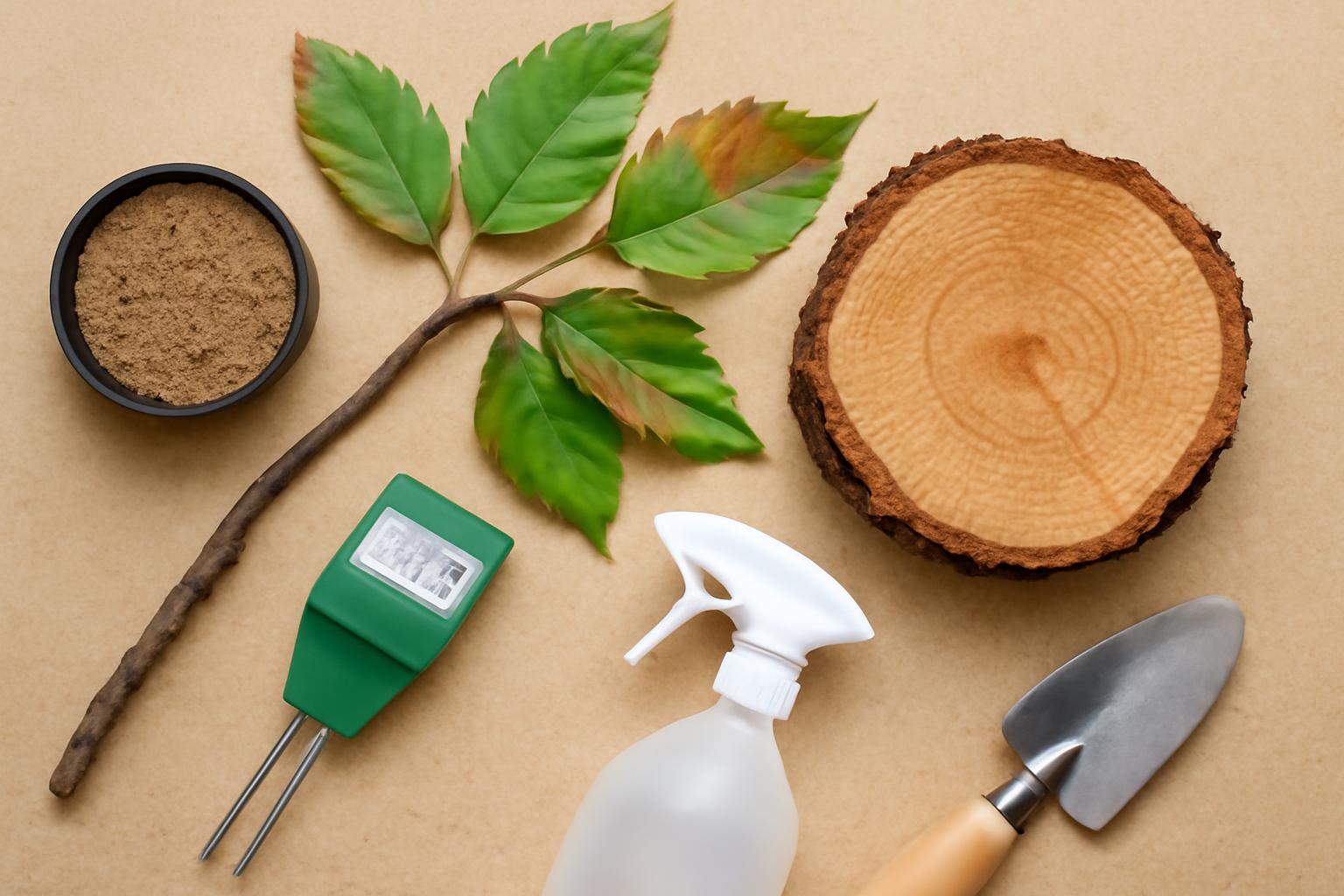
Trees Can Recover From Heat Stress: Signs and Timelines
After about four weeks of correct watering and properly maintained mulch, no stabilization or spreading decline is a practical point to call an arborist.
Read Guide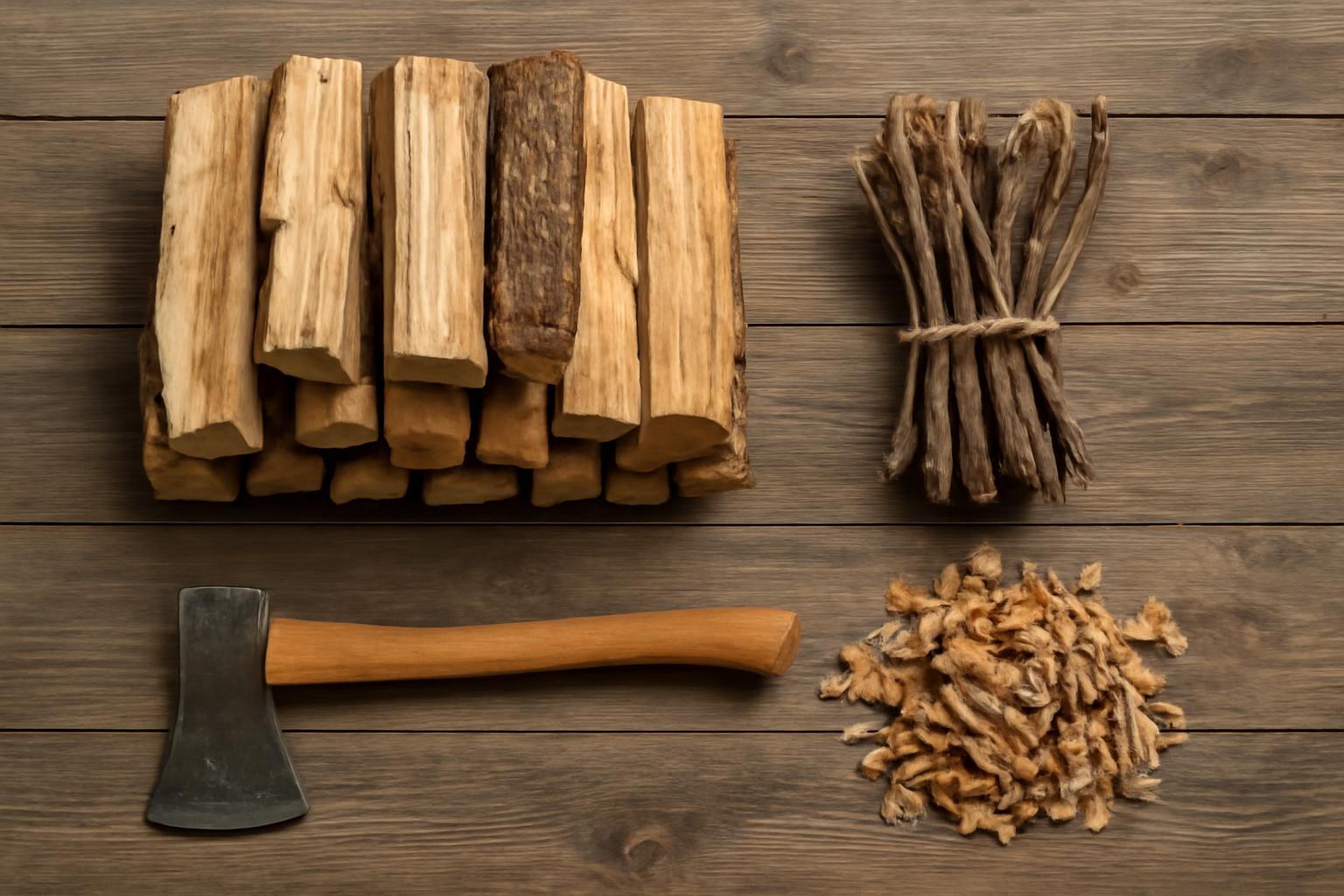
Cord of Wood Cost: What Raises or Lowers It
A full cord runs $150–$500. "Truckload" alone is not enough to compare prices. Exact volume, species, dryness, delivery and stacking shape the quote.
Read Guide
Know What Forestry Mulching Clears and Leaves
It shreds above-ground vegetation and may reduce stump material near the surface, but usually leaves roots and much of the stump system in place.
Read Guide
Oregon White Oak Roots Change With Age and Soil
On the studied glacial-outwash soil, most roots stayed in the upper layer, though some small roots reached beyond 150 cm where summer moisture remained.
Read Guide
How Palm Tree Roots Grow: Structure, Depth and Spread
In research on many species, a root ball about 12 inches in radius and depth captured over half the roots. Established landscape roots can spread much farther.
Read Guide
Parota Wood Properties, Regrowth and Removal
One accessible-stump comparison put a $300 grinder rental against a $600 contractor quote. The cheaper choice changes when root control matters.
Read Guide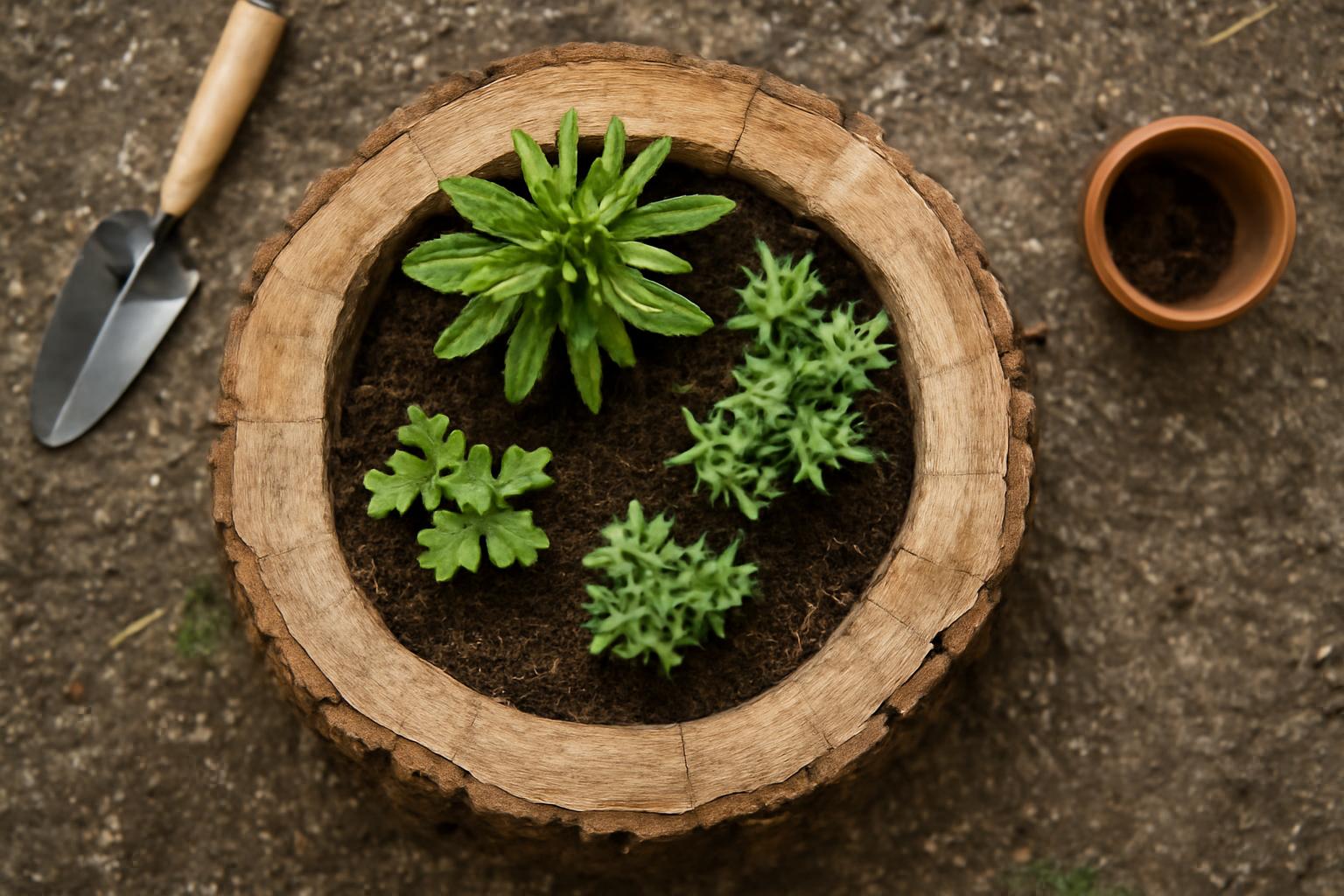
The Best Plants for Tree Stumps Vary by Light and Depth
Match ferns, hostas and moss to shade, or sedum and thyme to sun. Cottonwood and aspen may send root suckers 20-30 feet from the stump.
Read Guide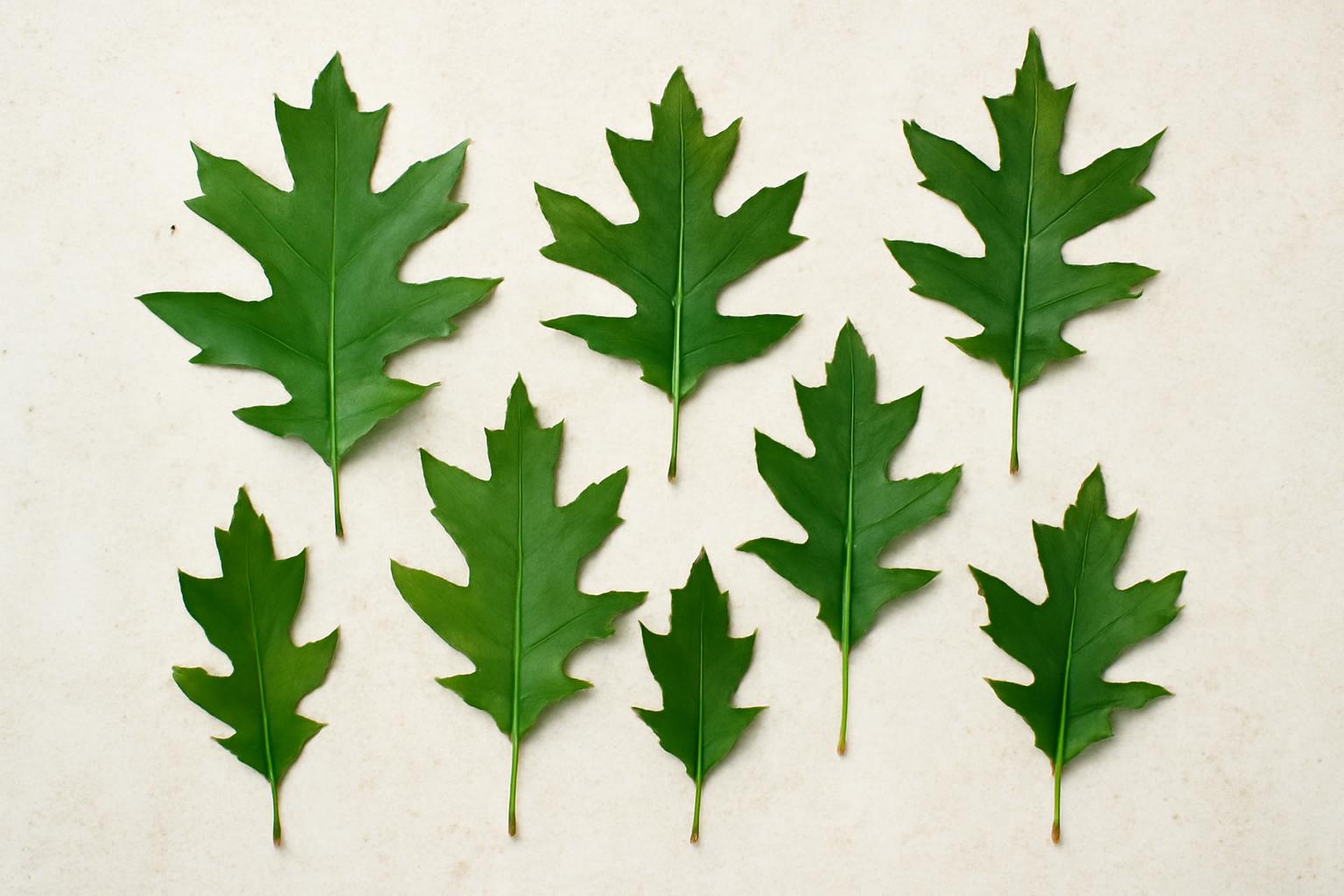
How to Identify Water Oak Leaves When Shapes Vary
Check several leaves rather than one perfect specimen. Despite variable shapes, the set should share a broad-near-the-tip, narrow-at-the-base form.
Read GuideNo Guides Found
Try “grinding”, “roots”, or “soil”, or choose another topic.
106 Guides
Put a Number on the Next Step
Before you book,
work out the budget.
Use your stump measurements to explore a grinding estimate.